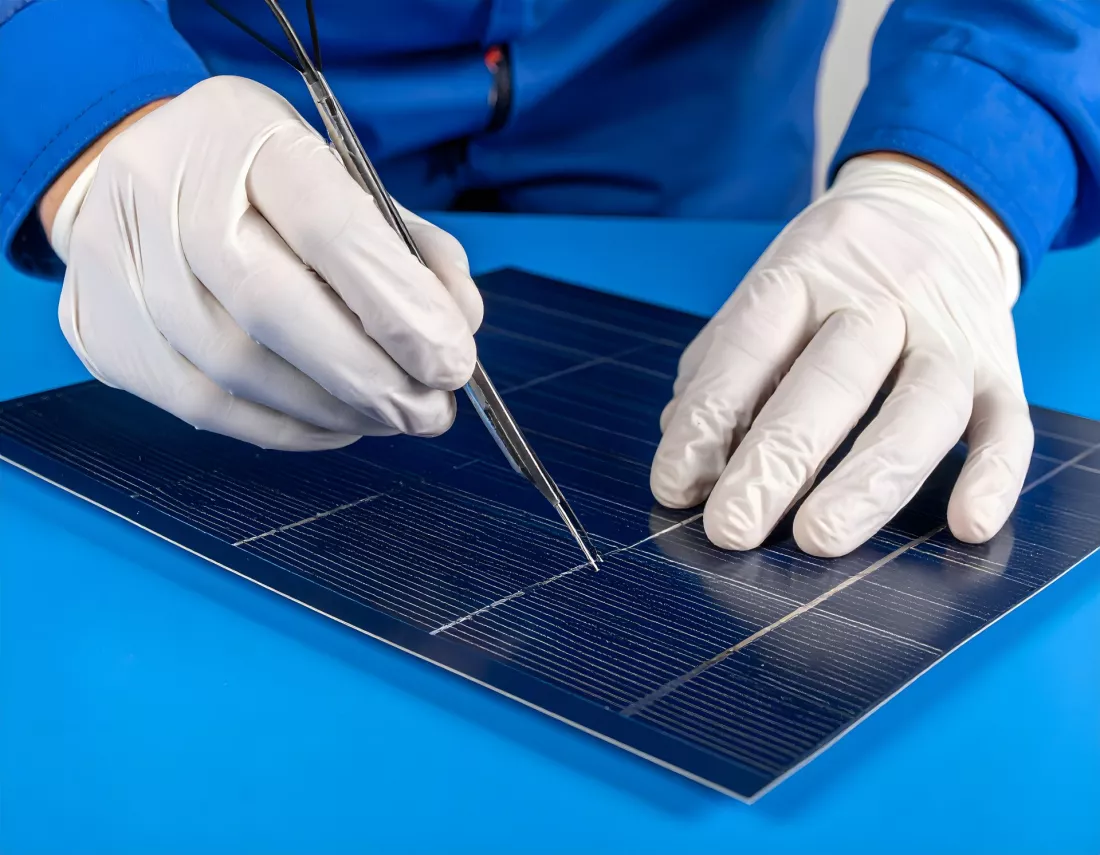
Solarstrom kommt bis heute fast immer aus dicken Siliziumplatten, die zum größten Teil in Asien gefertigt werden. Das EU-Projekt DIAMOND arbeitet an einer Alternative: an Zellen aus einer hauchdünnen Schicht Perowskit-Kristalle, die mehr Licht in Strom verwandeln und einen kleineren CO2-Fußabdruck hinterlassen. Ein Material, von dem kaum jemand gehört hat, entscheidet also mit, woher Europa künftig seinen Strom bezieht – und ob dich die Arbeit an genau solchen Materialien selbst reizen würde.
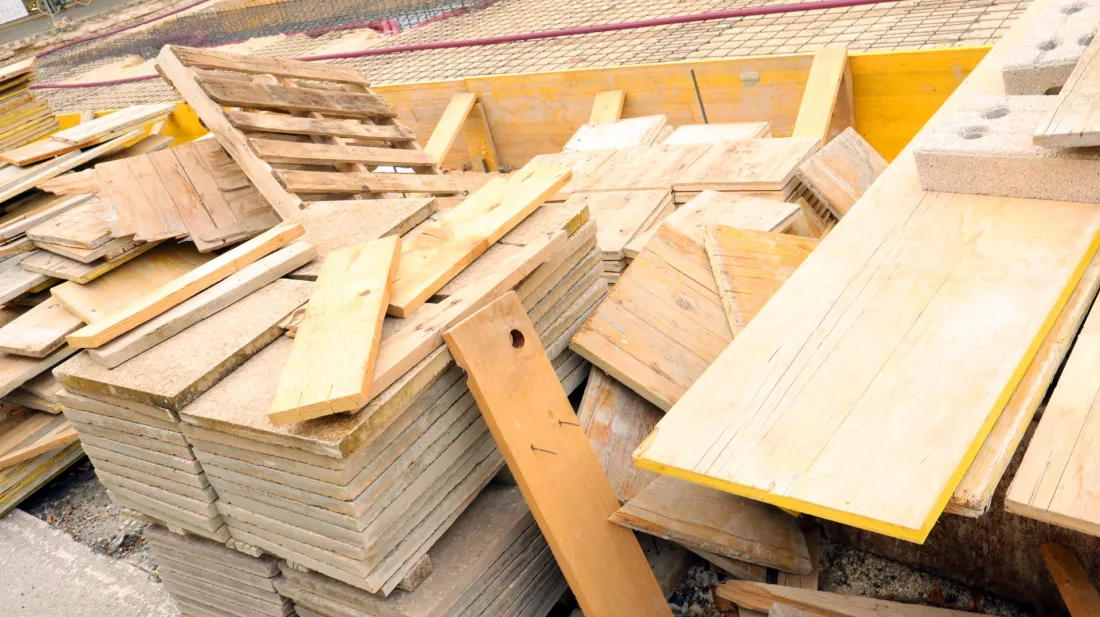
Mensole, scrivanie, armadi: metà di una stanza da studente è fatta di pannelli a base di legno. Nell’UE si producono ogni anno quasi 47 milioni di tonnellate di scarti di legno e solo il 40 % circa rientra oggi in nuovi prodotti. Il progetto europeo EcoReFibre ha provato a spostare quella percentuale partendo dal pezzo più scomodo: il pannello in fibra. Dietro la parola «riciclo» non c’è uno slogan ma una catena di decisioni tecniche — e un modo di ragionare per cicli, su cui è tarato il test in fondo.
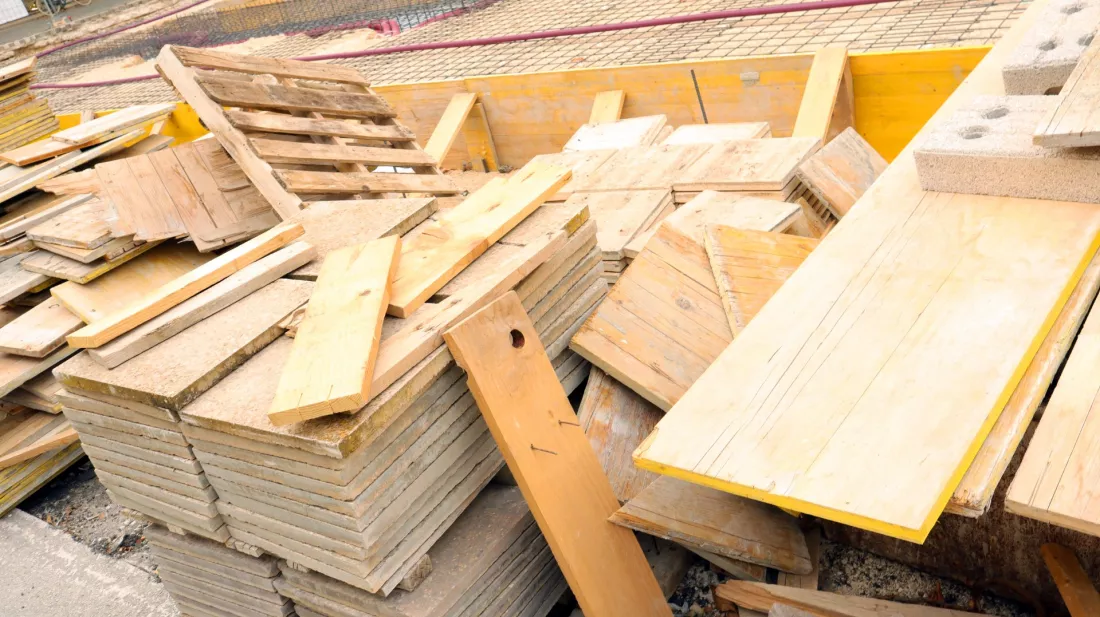
La Unión Europea genera cada año cerca de 47 millones de toneladas de residuos de madera y solo un 40 % de esa cantidad vuelve a convertirse en un producto nuevo. El proyecto europeo EcoReFibre se propuso demostrar que los tableros de fibras usados y los restos de madera maciza pueden regresar a la fábrica a escala industrial: clasificar, desfibrar y mezclar en la proporción justa. Un asunto de materiales y de diseño de procesos —y, de paso, una buena ocasión para ver cuánto piensa cada uno en circular.
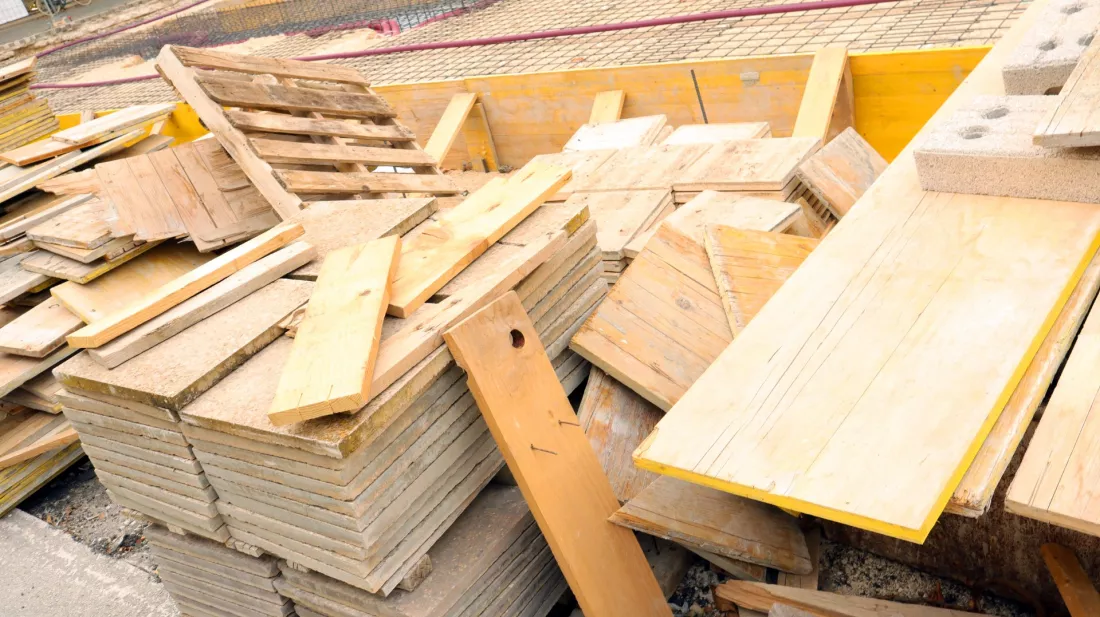
Une benne de vieux meubles démontés sur un chantier ressemble à un tas de déchets, mais pour l'industrie du panneau c'est une réserve de fibres. L'Union européenne produit près de 47 millions de tonnes de déchets de bois par an et n'en renvoie qu'environ 40 % vers de nouveaux produits. Le projet européen EcoReFibre a cherché comment récupérer la fibre des panneaux usagés à l'échelle industrielle — et le test qui suit porte sur votre propre rapport aux matériaux et à leur seconde vie.
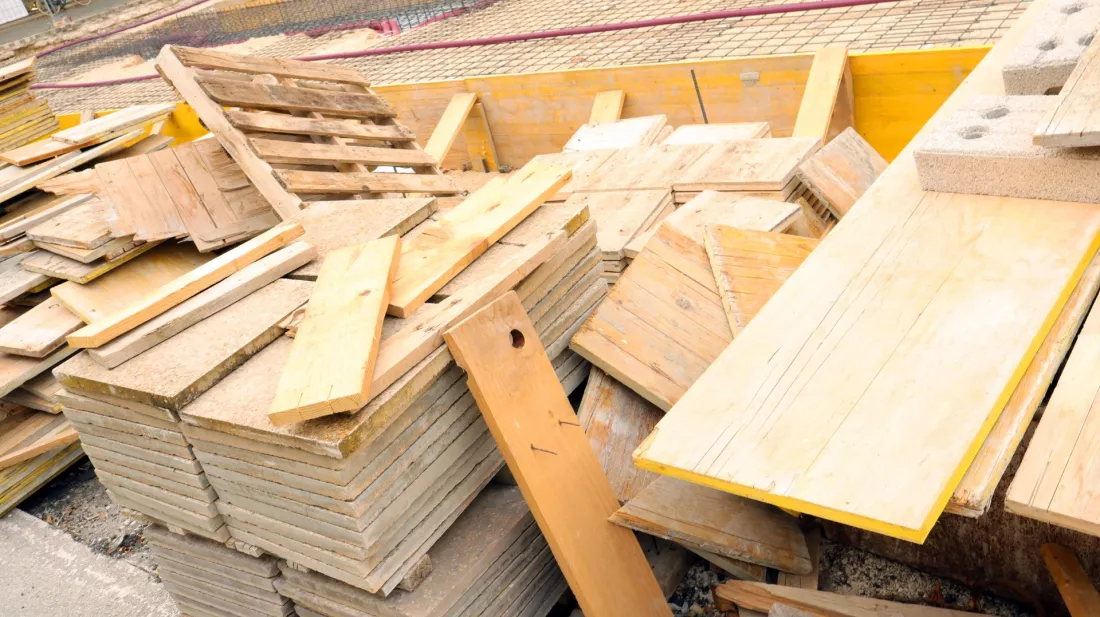
Co roku w Unii Europejskiej powstaje prawie 47 milionów ton odpadów drzewnych, a na nowe produkty przerabia się z tego dziś tylko około 40 procent. Duża część reszty to płyty pilśniowe i wiórowe ze starych mebli — materiał, którego długo nikt nie umiał opłacalnie rozłożyć z powrotem na włókna. Projekt EcoReFibre sprawdzał, czy recykling płyty da się zaprojektować jak każdy inny proces przemysłowy: od sortowania, przez rozwłóknianie, po sprzedaż surowca wtórnego — a niżej test o Twoim stosunku do rzeczy i materiałów, z których są zrobione.
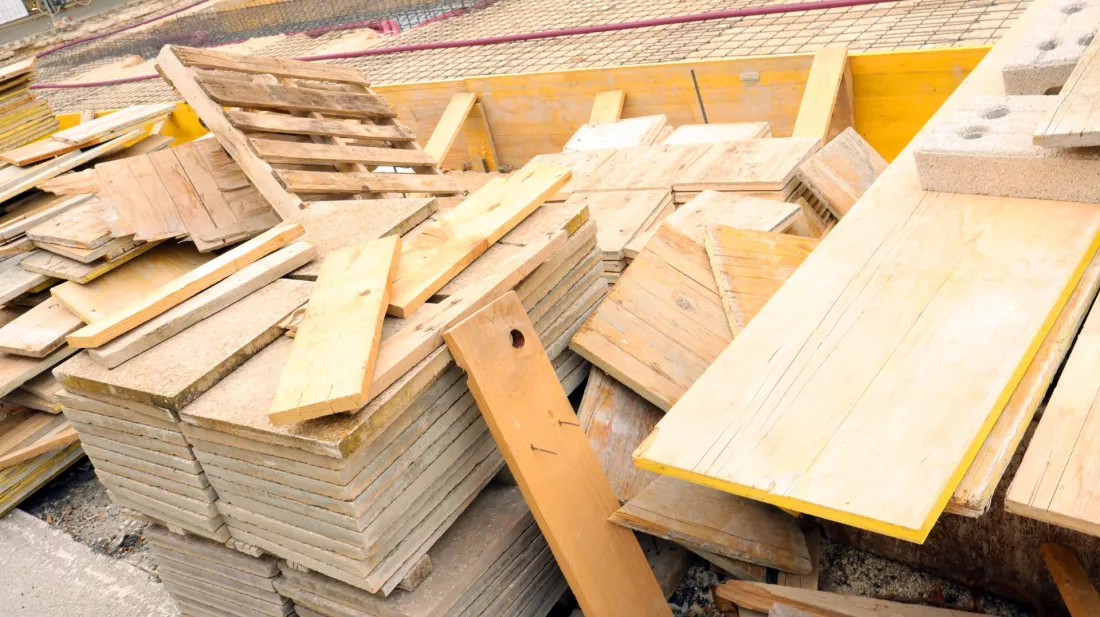
Die halbe Studentenbude besteht aus Pressspan: Regal, Schreibtisch, Küchenfront. Was davon beim Auszug übrig bleibt, landet meist im Container, denn Faserplatten gelten als schwieriger Abfall. In der EU fallen jährlich fast 47 Millionen Tonnen Holzabfälle an, nur rund 40 Prozent werden zu neuen Produkten. Das EU-Projekt EcoReFibre hat geprüft, was davon technisch und wirtschaftlich wirklich machbar ist – und wie nah dein eigenes Denken an Material und Kreislauf liegt, klärt der Test am Ende.
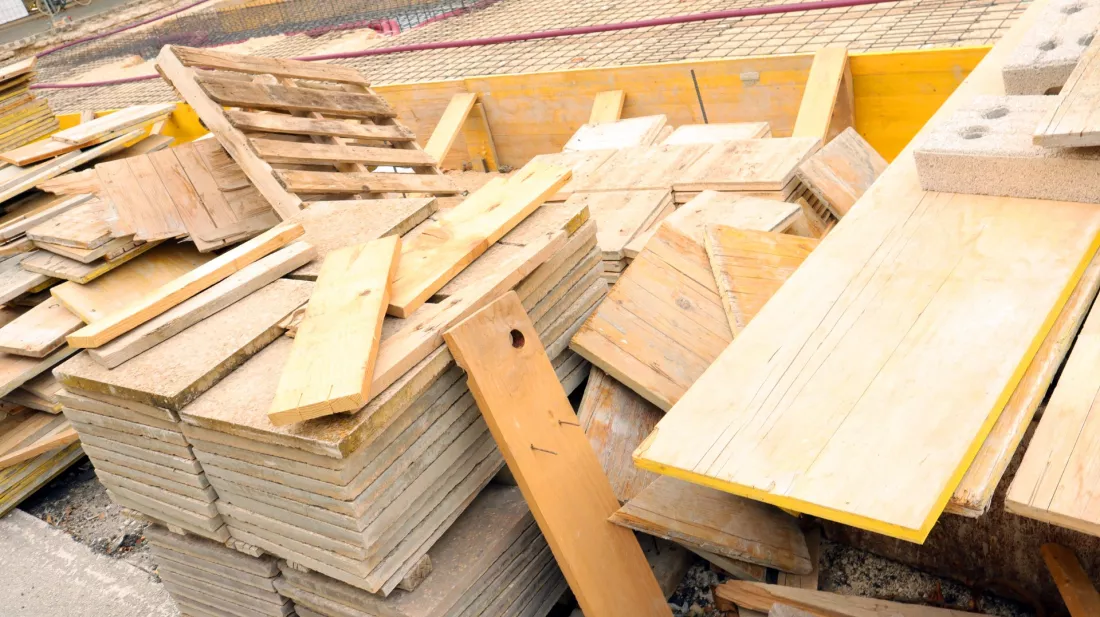
Half of a student flat is made of wood-based panels: the desk, the wardrobe, the shelf above the bed. When one of them gives up, it usually ends in a skip, because turning an old fibreboard into a new one is far harder than the word recycling suggests. The EU-funded EcoReFibre project spent four years showing that it can be done at industrial scale, and how - sorting, defibration, mixing ratios, markets - which is also a decent test of how you yourself look at the things around you.
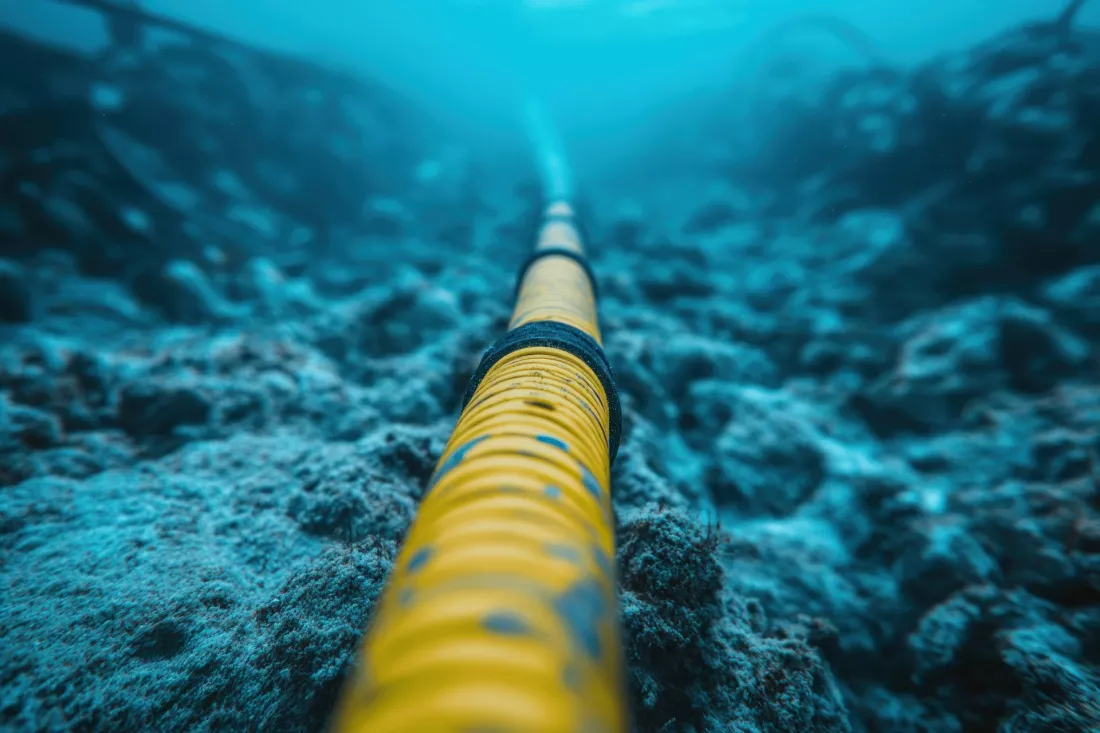
Sul fondo degli oceani corrono oltre 1,3 milioni di chilometri di fibra ottica, e da quei filamenti passa circa il 95% del traffico Internet e voce del pianeta. Per decenni sono stati soltanto tubi per i dati, finché qualcuno non ha notato che lo stesso vetro che trasporta i pacchetti reagisce alle vibrazioni del fondale. Il progetto europeo SUBMERSE ha trasformato questa intuizione in un’infrastruttura che ascolta terremoti, tsunami e balene — e alla fine puoi verificare quanto noti di ciò che sta sotto la superficie.
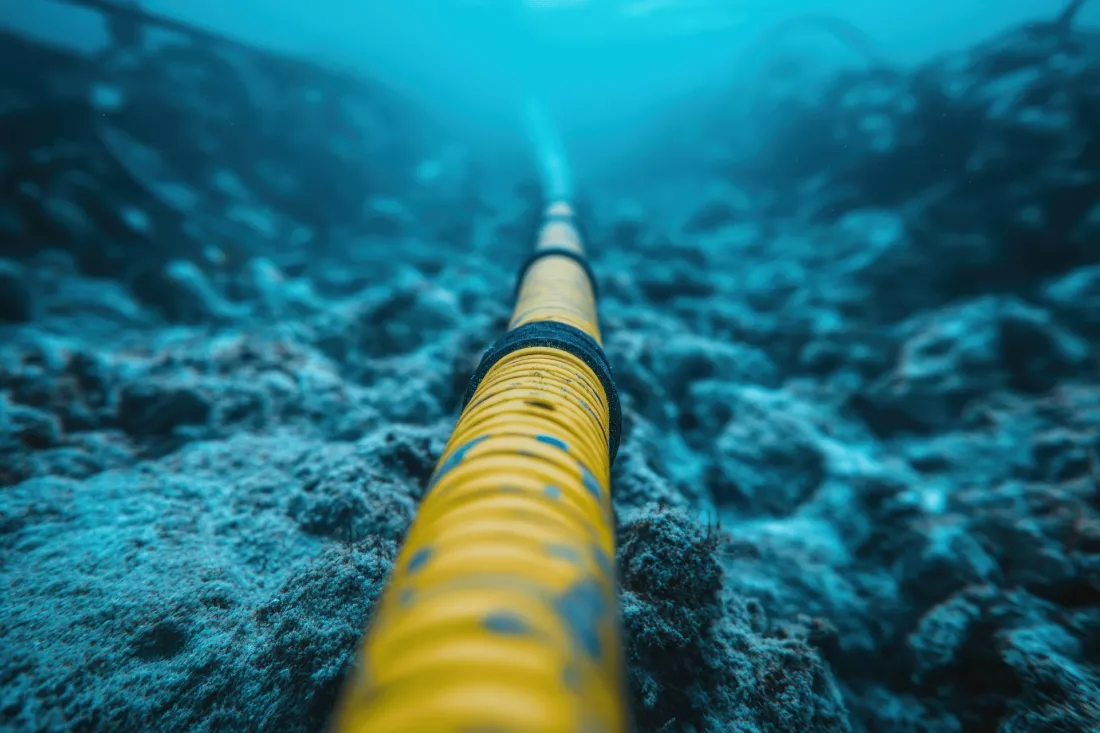
Au fond des océans dorment plus de 1,3 million de kilomètres de fibre optique : l’infrastructure qui achemine environ 95 % du trafic Internet et vocal de la planète. Le projet européen SUBMERSE part d’une idée toute simple : le verre qui transporte les données ressent aussi les vibrations du plancher océanique. Un seul appareil branché en bout de câble suffit pour transformer un réseau de télécoms en capteur — et, en bas de page, cinq questions sur ce que vous savez repérer sous la surface.
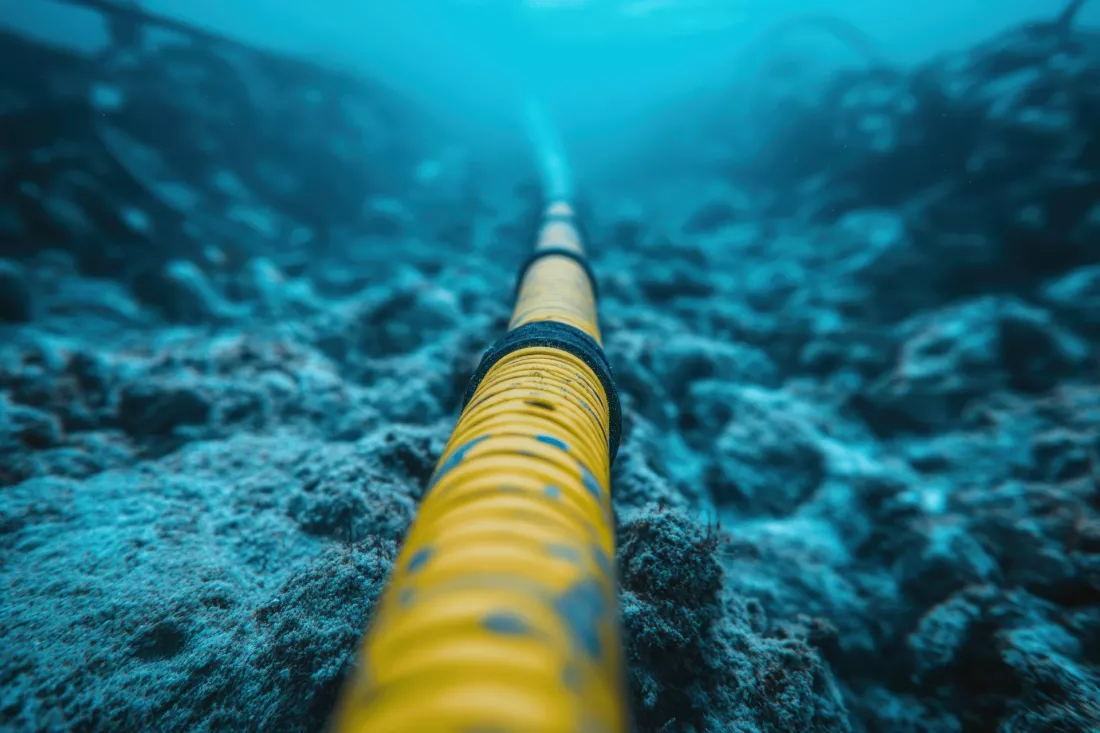
Más de 1,3 millones de kilómetros de fibra óptica descansan en el fondo de los océanos y por ellos viaja cerca del 95 % del tráfico mundial de internet. Durante décadas fueron solo tuberías de datos, hasta que un proyecto europeo demostró que el mismo vidrio que mueve los bits nota también cómo tiembla el suelo marino. SUBMERSE convirtió esa red en un instrumento científico sin tender un metro de cable nuevo — y al final puedes ver si tú habrías reconocido un sensor donde casi todos veían solo un cable.
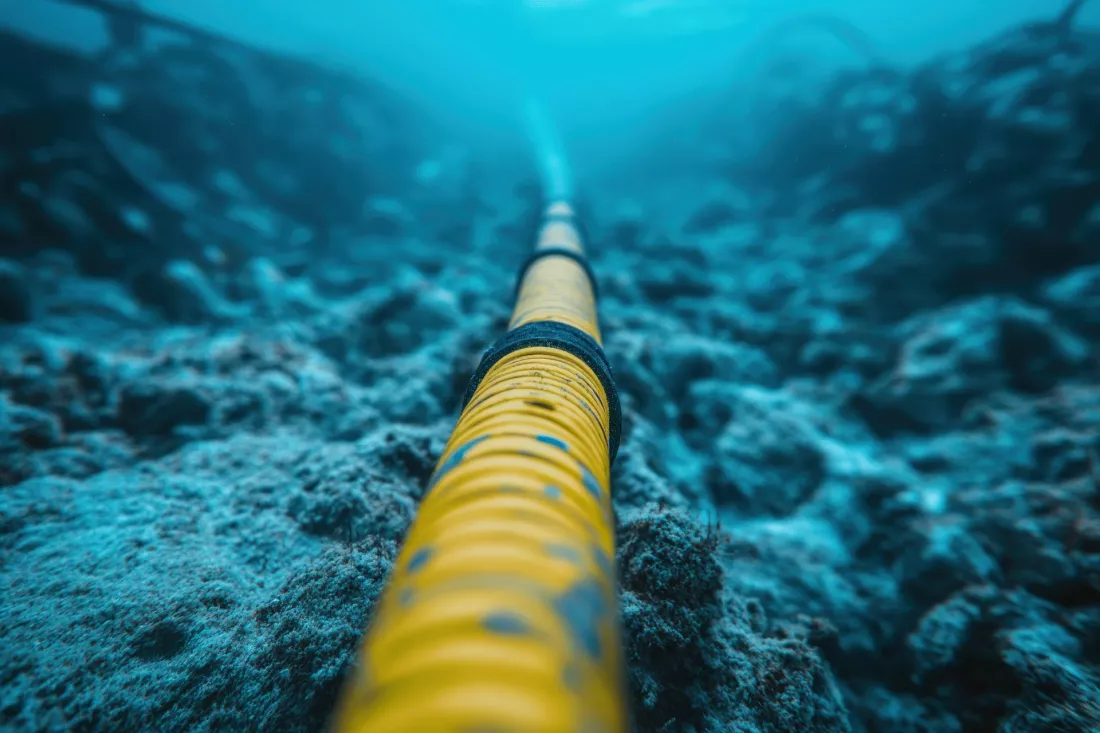
Fast alles, was im Internet unterwegs ist, reist nicht über Satelliten, sondern durch Glasfasern, die auf dem Meeresboden liegen. Dass dieses Glas nebenbei auch spürt, wie der Boden unter ihm bebt, hat lange niemanden interessiert. Das EU-Projekt SUBMERSE macht daraus ein Messinstrument: ein Gerät in der Kabelanlandestation genügt, und aus der Telefonleitung wird ein Sensor für Erdbeben, Tsunamis und Wale — und am Ende kannst du prüfen, wie gut du erkennst, was unter der Oberfläche steckt.
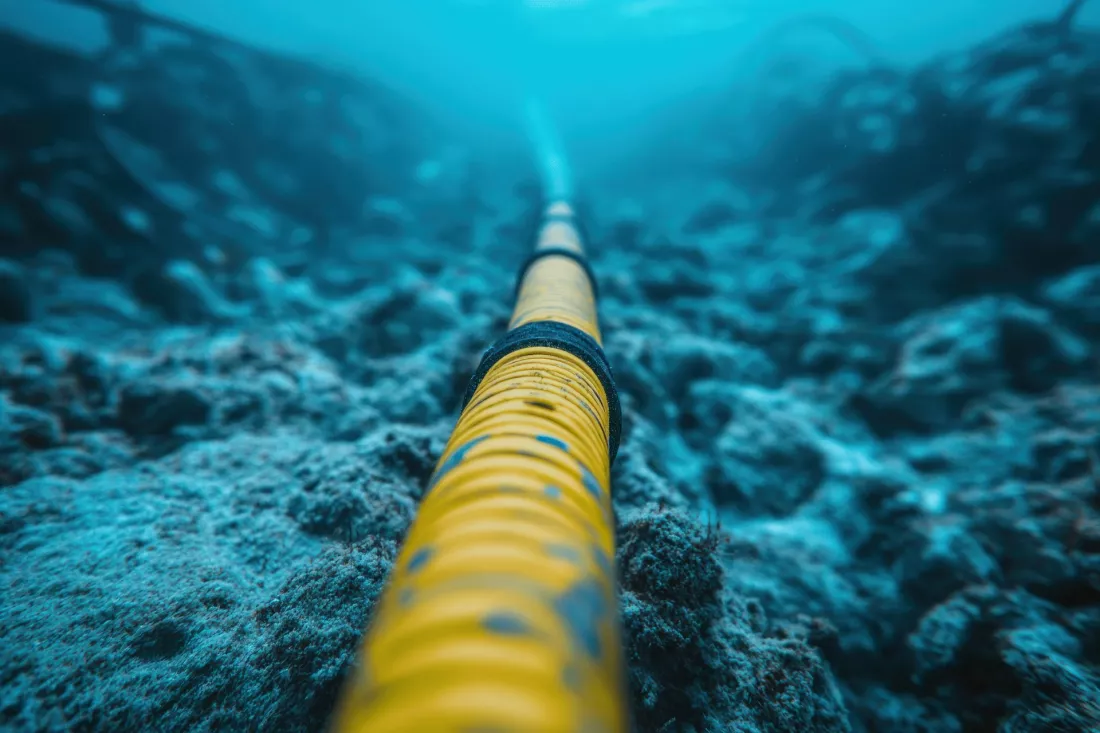
Beneath the oceans lie more than 1.3 million kilometres of fibre-optic cable, and roughly 95% of the world’s internet and voice traffic runs through them. For decades that glass had exactly one job: moving data. Then researchers realised that the same fibre also registers every tremor of the seabed it rests on. The EU-funded SUBMERSE project turned that realisation into a working instrument — and in doing so showed that a new research tool is sometimes just infrastructure nobody had thought to listen to, which is exactly the kind of eye you can test at the end.
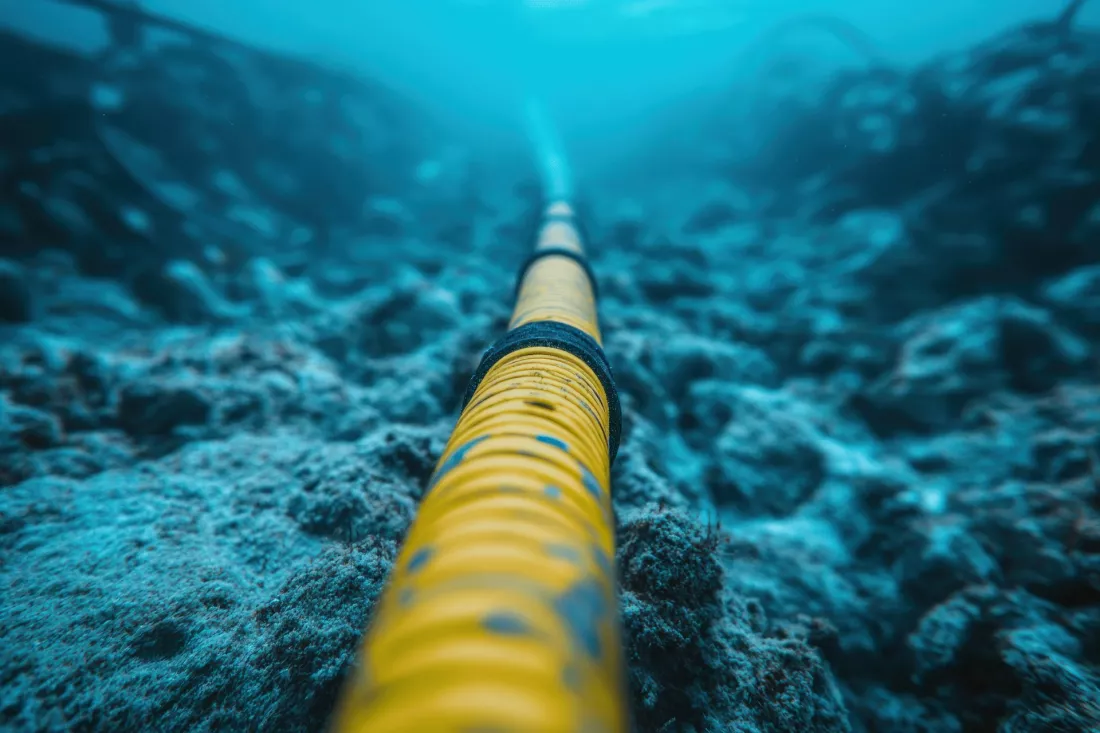
Ponad 1,3 miliona kilometrów światłowodów leży na dnie mórz i przenosi około 95% globalnego ruchu internetowego. To samo szkło, które wozi dane, reaguje na najdrobniejsze drgania dna — wystarczy podłączyć do niego urządzenie w stacji lądowej. Europejski projekt SUBMERSE zamienił działające kable telekomunikacyjne w rozproszoną sieć czujników nasłuchującą trzęsień ziemi, tsunami i wielorybów — a przy okazji pokazał, że nowy instrument badawczy bywa czymś, co od dawna leży pod ręką, i na końcu możesz sprawdzić, czy patrzysz na technologię podobnie.

Un fine settimana libero, un corso scelto per curiosità, un lavoro accettato perché conveniva a qualcun altro: le stesse giornate pesano in modo diverso a seconda di chi ha deciso. Un gruppo di ricercatori canadesi ha chiesto a oltre 1200 adulti come si sentivano e quanto fossero soddisfatti della propria vita, e ha scoperto che il piacere spiega meno di quanto si creda — mentre il senso di poter scegliere resta, e alla fine puoi vedere quanto pesa nel tuo caso.

Plus de 1 200 adultes au Canada et au Royaume-Uni ont répondu à une enquête sur ce qui rend une vie satisfaisante. Les chercheurs de l’Université de Toronto et de l’Université Simon Fraser ont mesuré les émotions, la satisfaction globale et trois besoins psychologiques. C’est l’autonomie, le sentiment de décider soi-même, qui a le mieux prédit le bonheur, devant le plaisir ressenti au quotidien. Un résultat qui touche de près la façon de choisir ses études et son travail — et, à la fin, de quoi voir ce qui pèse vraiment dans vos propres choix.

Un equipo de la Universidad de Toronto y de la Universidad Simon Fraser preguntó a más de 1 200 adultos de Canadá y del Reino Unido cómo se sentían y cuánto les convencía su propia vida. Al cruzar las respuestas apareció algo que no estaba en el guion: quienes tenían más margen para decidir por sí mismos estaban más satisfechos, incluso descontando el buen humor. El placer explica menos de lo que parece y la sensación de elegir bastante más — y al final puedes ver cuánto pesa ese margen de decisión en tu propia idea de estar a gusto.

Zufriedenheit ist nicht dasselbe wie gute Laune: Ein kanadisches Forschungsteam hat mehr als 1200 Erwachsene befragt und dabei etwas gefunden, das nicht ins gängige Bild vom Glück passt. Nicht die Menge angenehmer Gefühle sagte am besten voraus, wie zufrieden jemand mit seinem Leben war, sondern das Gefühl, selbst zu entscheiden. Für alle, die gerade Studienfach, Nebenjob und Lebensform sortieren, ist das eine handfeste Information – und am Ende kannst du herausfinden, wie stark bei dir die Zufriedenheit an der eigenen Entscheidung hängt.

Over 1 200 adults in Canada and the United Kingdom answered questions about how they felt and how well their lives were going. Researchers from the University of Toronto and Simon Fraser University expected pleasant emotions to explain most of it. Instead, the strongest signal came from something quieter: the sense of deciding for yourself — a result worth sitting with if you are picking a degree, and one you can try out at the end on what you really need in order to feel satisfied.

Wybierz coś, co da ci satysfakcję — to zdanie słyszy każdy, kto układa sobie plan na najbliższe lata. Badacze z Kanady sprawdzili, co właściwie tę satysfakcję buduje, i zapytali ponad 1200 dorosłych osób o emocje, zadowolenie z życia oraz trzy potrzeby psychologiczne. Wynik nie pokrywa się z poradnikami o szczęściu: zadowolenie lepiej przewidywało poczucie, że decydujesz sam, niż liczba przyjemnych chwil — a na końcu możesz sprawdzić, co w Twoim przypadku waży więcej.

Un terzo della vita se ne va dormendo, e circa un quarto di quel tempo il cervello lo passa a sognare. Per secoli quelle immagini sono state lette come messaggi degli dèi; un gruppo della Scuola IMT Alti Studi Lucca le ha trattate invece come dati, analizzando oltre 3 700 racconti onirici di quasi 290 volontari. Ne esce un sogno che non è rumore notturno, ma un riflesso sofisticato della giornata appena passata — e del tipo di sognatore che sei, questione su cui provano a dire qualcosa le cinque domande qui sotto.


 EN
EN CS
CS DE
DE ES
ES FR
FR HU
HU IT
IT PL
PL PT
PT РУ
РУ SK
SK TR
TR УК
УК AR
AR 中文
中文