
Chaque nuit, le cerveau fabrique des histoires que personne ne lui a commandées : des visages connus dans des décors impossibles, des examens qui n'existent nulle part, des poursuites sans issue. Longtemps, ces récits ont été rangés du côté du bruit aléatoire. Une étude relayée par CORDIS suggère l'inverse : le contenu des rêves suit la personnalité et le vécu de celui qui dort — y compris la manière dont vous retenez les vôtres au réveil, dont vous y repensez et dont vous les racontez.

Rund ein Drittel seines Lebens verbringt der Mensch in einem unbewussten Zustand, ein Viertel der Schlafzeit entfällt auf Träume, und am Morgen ist fast alles davon wieder weg. Ein Team der IMT School for Advanced Studies Lucca hat mehr als 3 700 Traumberichte von fast 290 Freiwilligen ausgewertet und kommt zu dem Schluss: Träume sind kein Zufall, sondern hängen davon ab, wer träumt und was er tagsüber erlebt hat — also auch davon, wie gut man sich morgens erinnert, ob vertraute Orte auftauchen und wie ernst man die Sache nimmt.

Un médecin qui pose un diagnostic, un recruteur qui trie des candidatures, un service qui repère des propos haineux: dans chacune de ces situations, un système d'intelligence artificielle propose déjà une réponse avant l'humain. Le projet européen AIOLIA a cessé de demander si ces systèmes sont éthiques pour observer ce qu'ils font à ceux qui s'en servent, et quels garde-fous tiennent vraiment — à commencer par la confiance que l'on accorde soi-même à une machine qui a l'air sûre d'elle.

Asking whether artificial intelligence is ethical no longer gets anyone very far. The EU-funded AIOLIA project, with Petra Saskia Bayerl of Sheffield Hallam University as its lead researcher, starts somewhere else: with what these systems do to human judgement, and what has to be put in place once a machine starts suggesting answers. Its guidelines cover six European situations, from medical diagnosis to recruitment - and the habit they all come back to is how much of your own judgement you hand over to a model.

Chiedersi se l'intelligenza artificiale sia etica è ormai una domanda invecchiata: i sistemi sono già dentro gli ospedali, le selezioni del personale e le case. Il progetto AIOLIA, finanziato dall'UE, sposta l'attenzione su ciò che accade al giudizio umano quando una macchina suggerisce la risposta, e sulle misure di salvaguardia da scrivere nelle procedure — a partire dal peso che ognuno, ogni giorno, dà a un suggerimento arrivato da un modello.

We spend roughly a third of our lives asleep, and about a quarter of that time dreaming. Most of those stories fade within minutes of waking, which is why dreaming stayed at the edge of serious science for so long. A team in Italy decided to count them anyway: more than 3 700 dream reports from almost 290 people, run through language algorithms. What came out is a picture of dreaming that is anything but random — and of dreamers who differ from one another enough that it is worth asking what kind of dreamer you are.

Durante años el debate sobre inteligencia artificial cabía en una pregunta: ¿es ética? El proyecto europeo AIOLIA propone mover el foco y mirar un paso más allá, allí donde un sistema ya sugiere diagnósticos, ordena candidaturas o acompaña un duelo. La cuestión deja de ser filosófica y se vuelve muy concreta: qué le ocurre al juicio de quien recibe esa sugerencia y quién responde cuando falla — y hasta qué punto sigues decidiendo tú cuando la pantalla ya propone una respuesta.
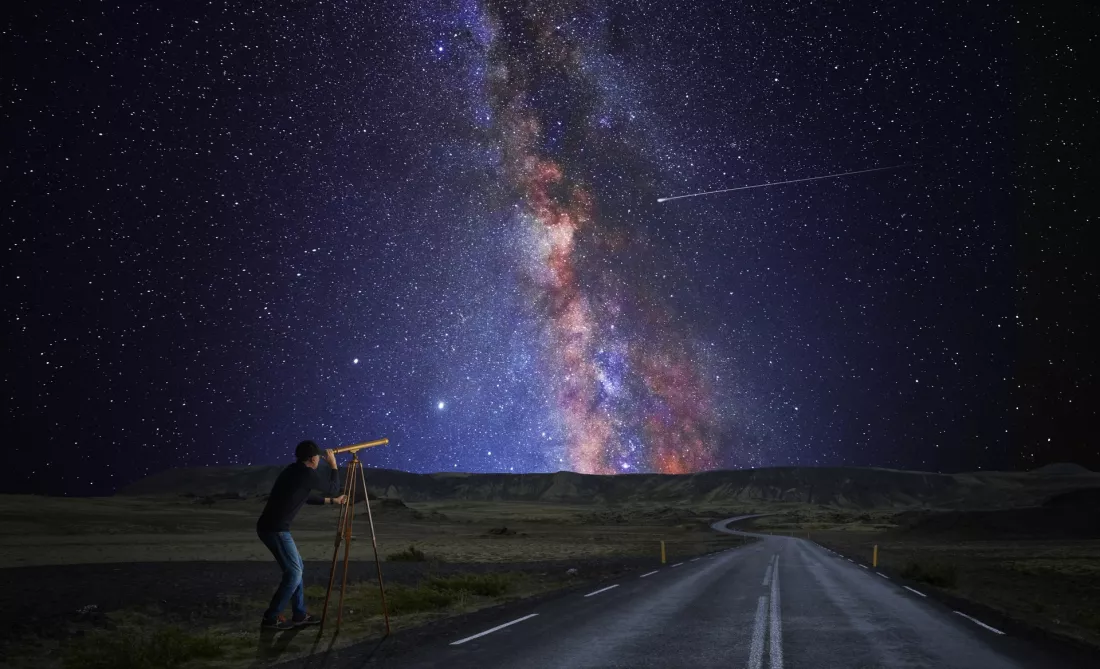
Nei cataloghi astronomici l’età di una stella compare come un numero, spesso con più cifre decimali. Dietro quel numero, però, si nasconde un’ipotesi: quanto elio contiene la stella, un dato che nessuno sapeva misurare davvero. Il progetto europeo CartographY ha provato a sostituire la supposizione con la misura, unendo oscillazioni stellari, statistica bayesiana e apprendimento automatico — un mestiere fatto di metodo prima che di immagini, ed è proprio questo il tema delle cinque domande qui sotto.
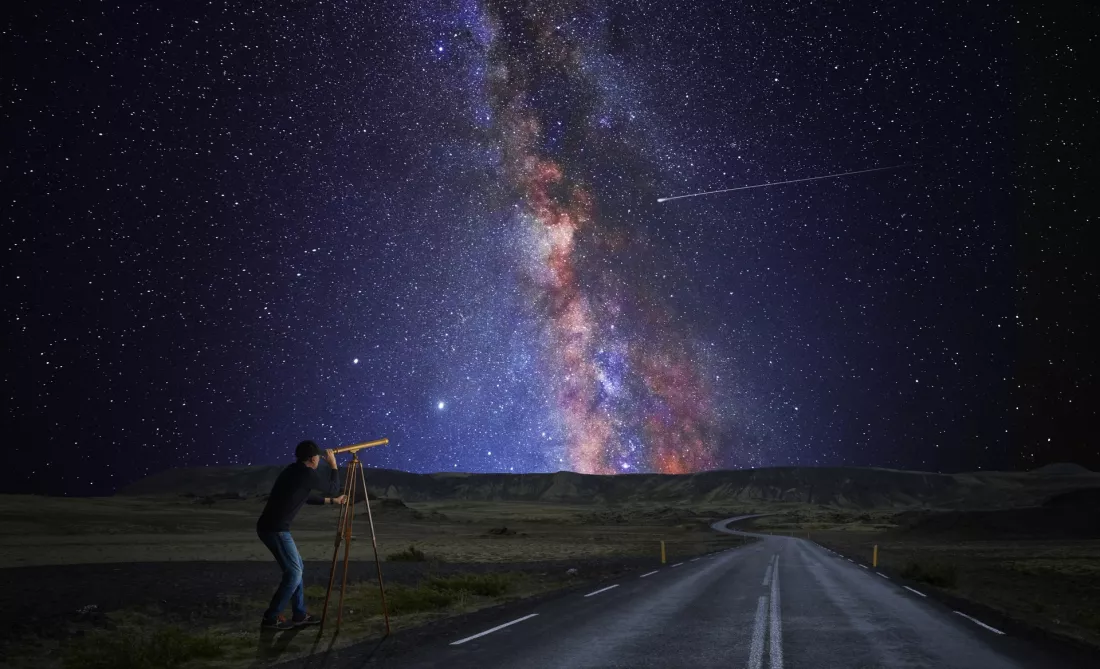
Dans les catalogues d’astrophysique, l’âge d’une étoile s’affiche comme une donnée solide, parfois avec plusieurs décimales. Derrière ce chiffre se cache souvent une hypothèse jamais vérifiée : la quantité d’hélium de l’étoile. Le projet européen CartographY, coordonné à l’université de Birmingham, a voulu remplacer cette conjecture par de la mesure, et rappelle qu’un résultat précis n’est pas forcément exact — une distinction que sonde le court test placé plus bas, sur la façon de traiter un chiffre et son incertitude.
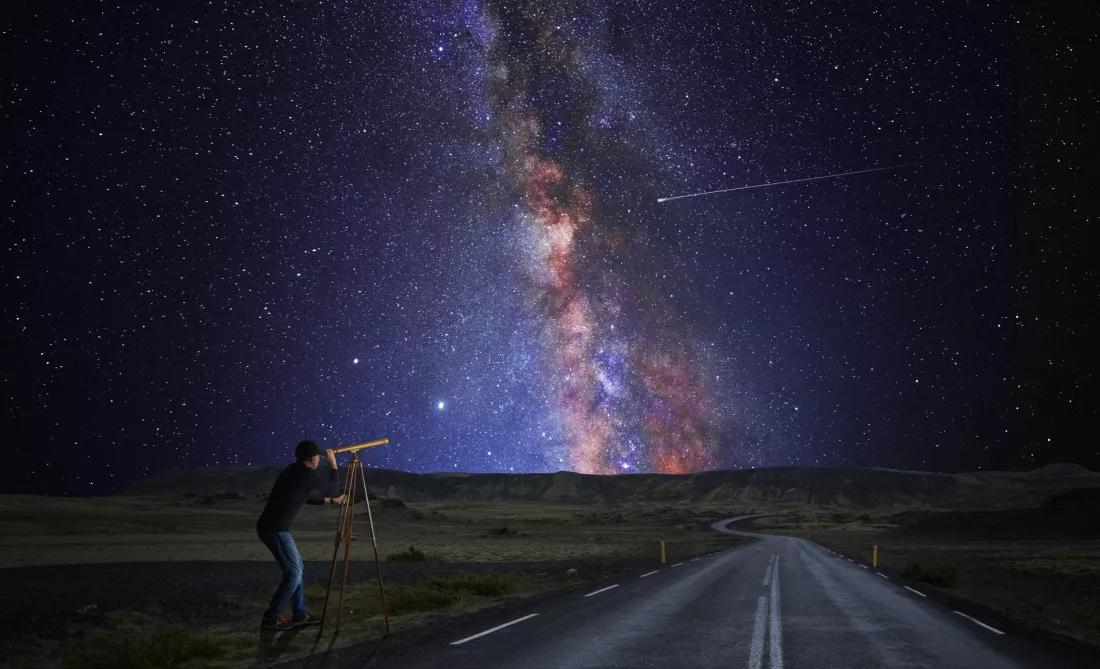
La edad de una estrella aparece en los catálogos como un número definitivo, con decimales incluidos. Detrás de ese número suele haber una suposición: la cantidad de helio que el modelo dio por sentada porque medirla es difícil. El proyecto europeo CartographY, coordinado desde la Universidad de Birmingham, se propuso cambiar esas conjeturas por datos y separar lo que de verdad se sabe de lo que solo parece saberse — una distinción que empieza por saber qué preguntar ante una cifra con tres decimales.
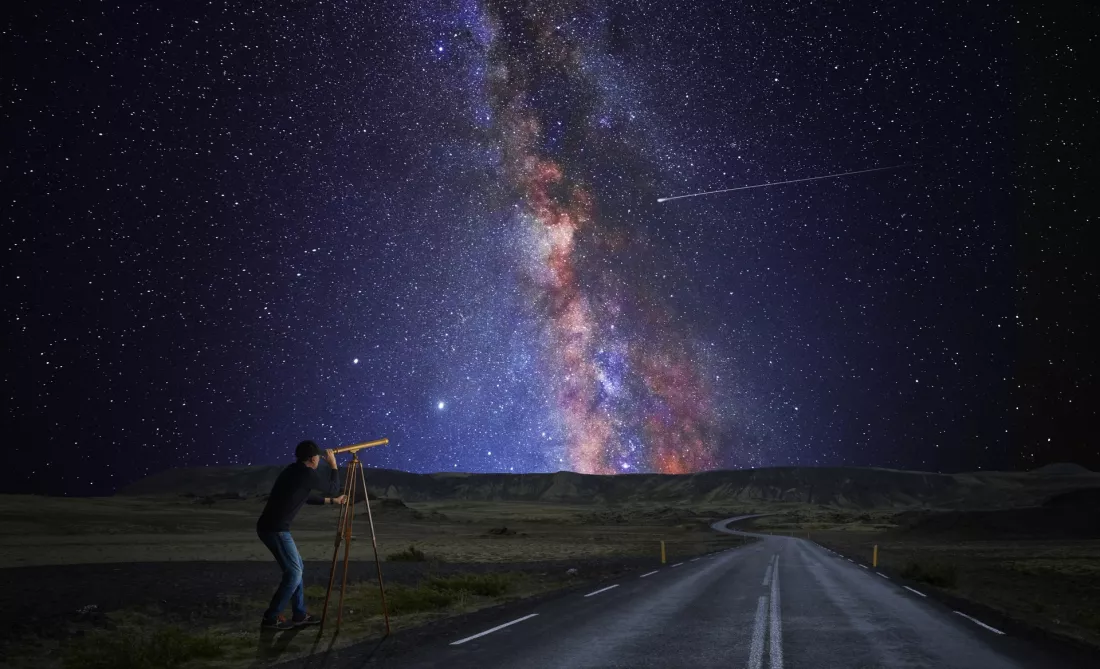
Das Alter eines Sterns wird meist behandelt wie eine Zahl aus der Tabelle: elf Milliarden Jahre, fertig. Dahinter steckt aber ein Modell, das vieles annimmt, statt es zu messen – und Helium, das zweithäufigste Element im Universum, gehört zu den am schwersten messbaren dieser Größen. Das ERC-Projekt CartographY hat genau daran gearbeitet: am Unterschied zwischen einer präzise klingenden und einer wirklich genauen Zahl – ein Unterschied, an dem sich auch ablesen lässt, ob jemand in der Astronomie eher Methoden oder Bilder sucht.
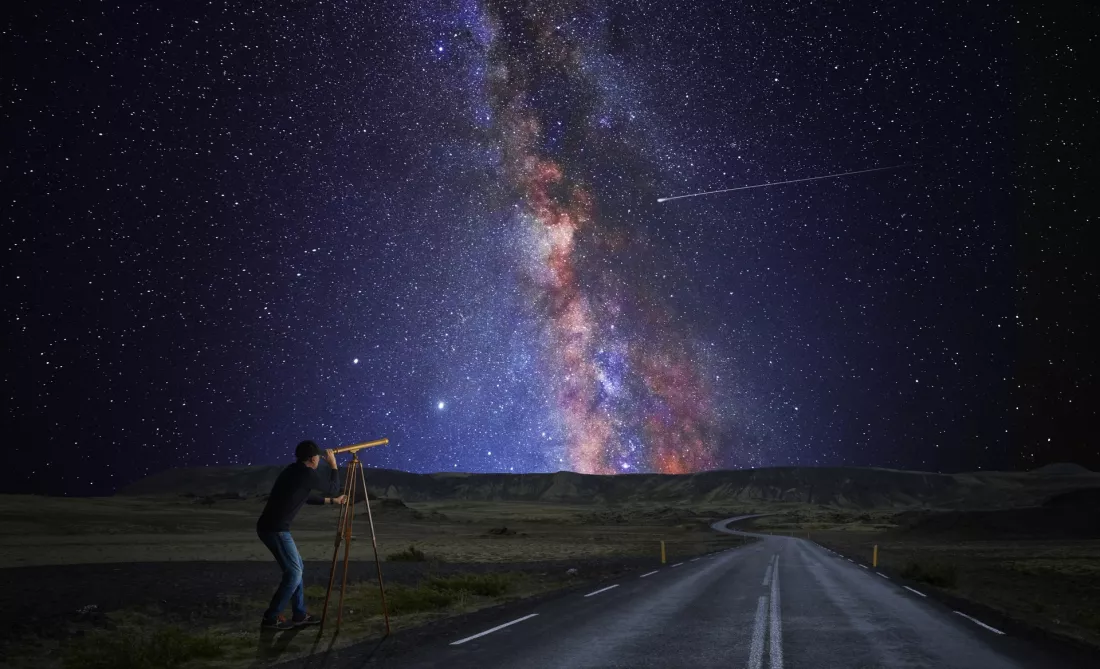
Star catalogues hand out ages to several decimal places, and the numbers look as solid as a temperature reading. They are not. For decades the models behind them simply assumed how much helium a star holds, because nobody knew how to measure it. The EU-funded CartographY project set out to stop assuming, and in the process it showed how far precision can drift from accuracy — the difference between treating astrophysics as a method and treating it as a view.
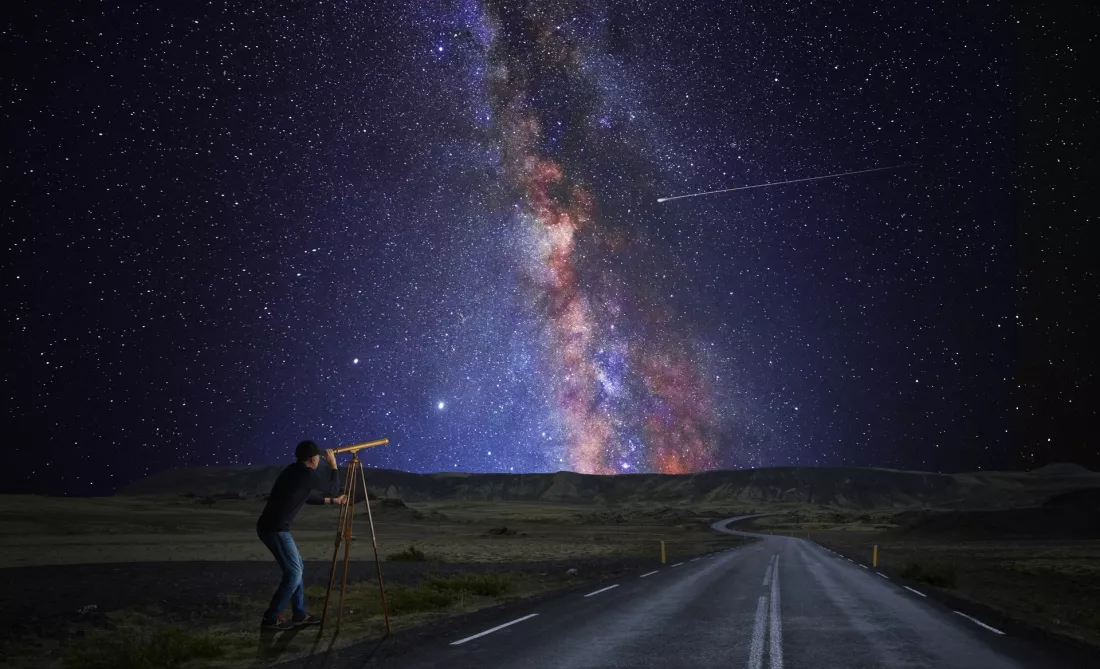
Liczba przy nazwie gwiazdy wygląda na twardy pomiar: kilka miliardów lat, parę miejsc po przecinku, sprawa zamknięta. Tymczasem to wynik rachunku, w którym jednej z kluczowych wielkości nikt nie zmierzył — po prostu ją założono. Europejski projekt CartographY spróbował wyjść z tego zaklętego kręgu i pokazać, gdzie kończy się wiedza o gwiazdach, a zaczyna wygodne założenie — a to dobry moment, żeby sprawdzić, czy bliżej Ci do zdjęć z teleskopu, czy do metod, którymi ustala się fakty.
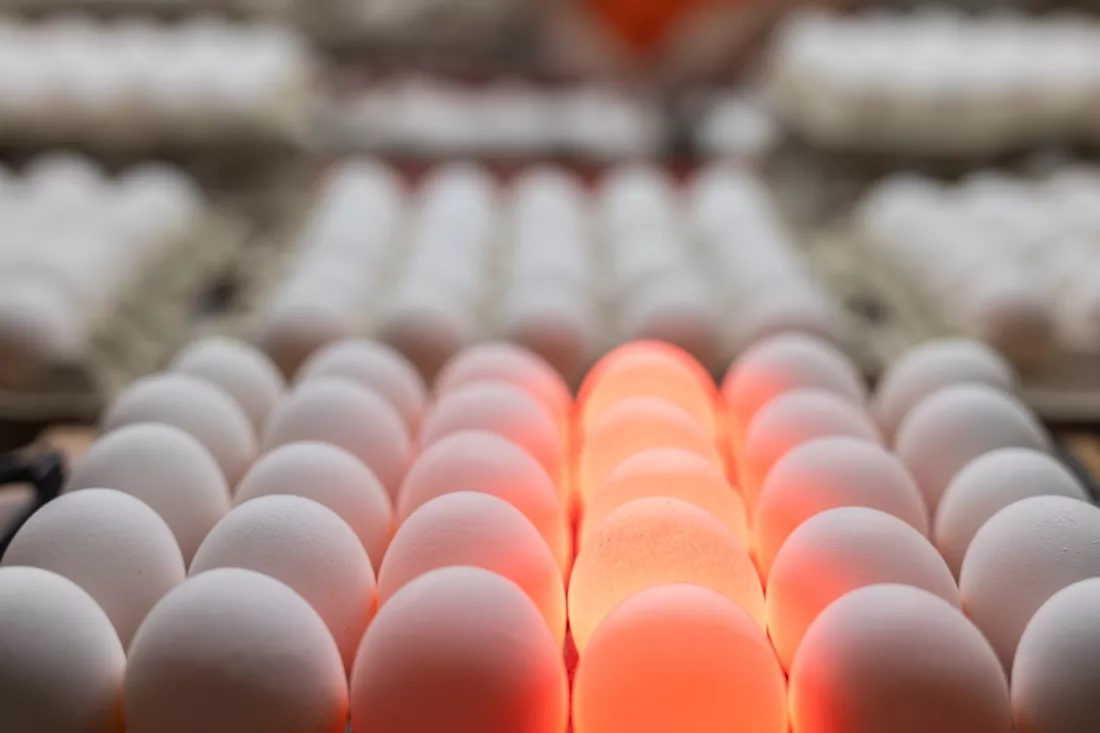
Jedes Jahr werden in der EU schätzungsweise 330 Millionen männliche Küken getötet, weil sie keine Eier legen und für die Fleischproduktion zu wenig ansetzen. In Deutschland und Frankreich ist die Praxis bereits verboten, mehrere Mitgliedstaaten fordern ein EU-weites Verbot. Das EIC-finanzierte Projekt Omegga setzt früher an: im Ei. Licht, Spektroskopie und maschinelles Lernen verraten dort das Geschlecht des Embryos – eine Mischung aus Biologie, Physik und Programmierung, die entweder sofort fasziniert oder überhaupt nicht.
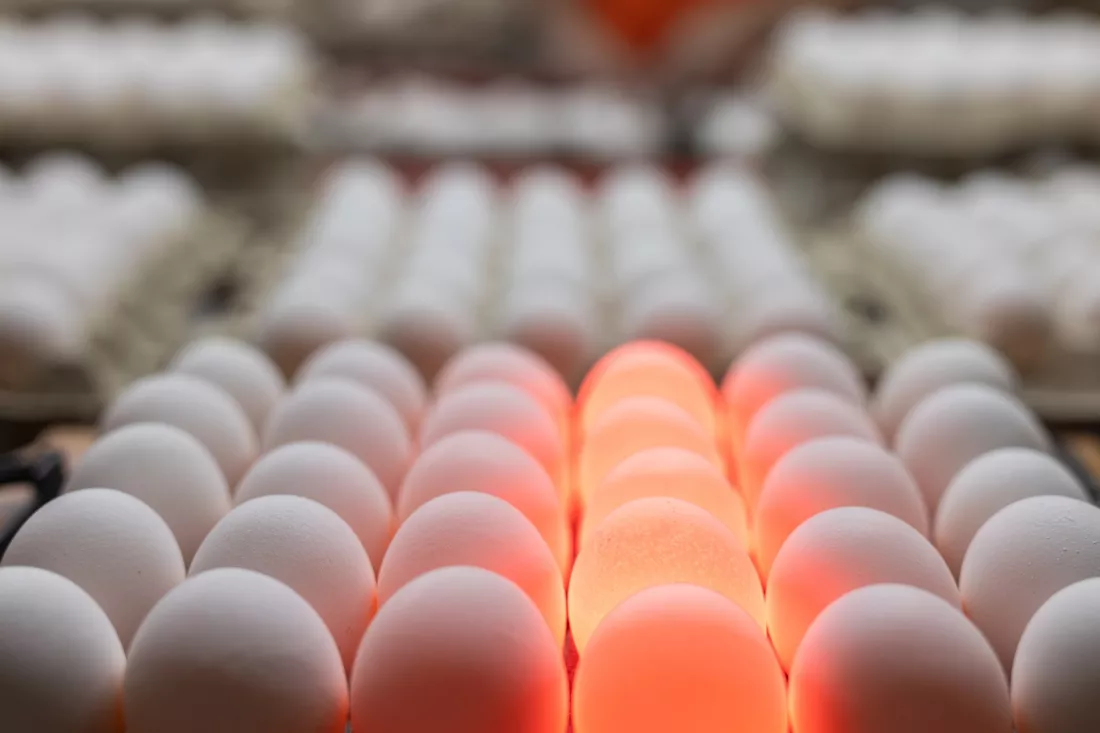
Chaque année, environ 330 millions de poussins mâles sont tués dans l'Union européenne parce qu'ils ne pondent pas et grossissent trop peu. L'Allemagne et la France ont déjà interdit cette pratique. Une entreprise allemande soutenue par le Conseil européen de l'innovation propose une autre voie : éclairer l'œuf dès le sixième jour d'incubation et lire, dans le spectre renvoyé, le sexe de l'embryon - de l'optique, de la biologie et de l'apprentissage automatique dans la même machine, le mélange que passe au crible le questionnaire ci-dessous.
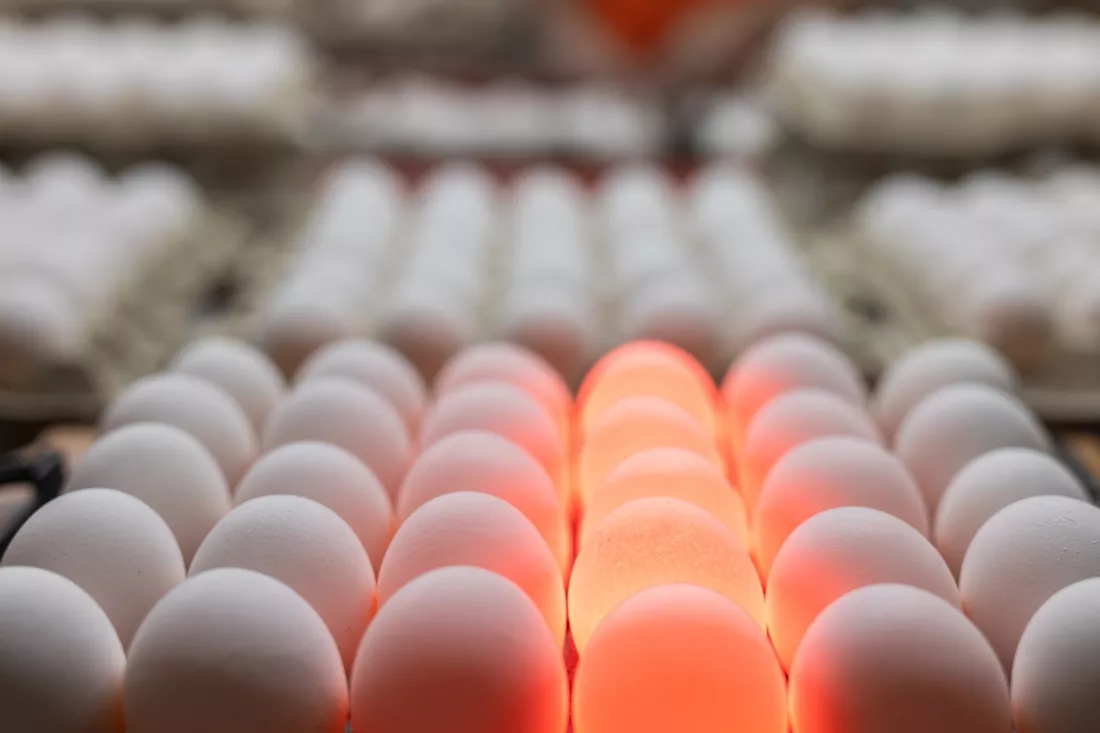
Ogni anno nell'UE vengono uccisi circa 330 milioni di pulcini maschi, perché non depongono uova e non producono abbastanza carne da risultare redditizi. Germania e Francia hanno già vietato la pratica, ma i metodi per riconoscere il sesso prima della schiusa restano invasivi e costosi. Il progetto europeo Omegga prova a cambiare le carte in tavola con un fascio di luce e un algoritmo — un incrocio fra biologia, fisica e programmazione che non è il mestiere di tutti.
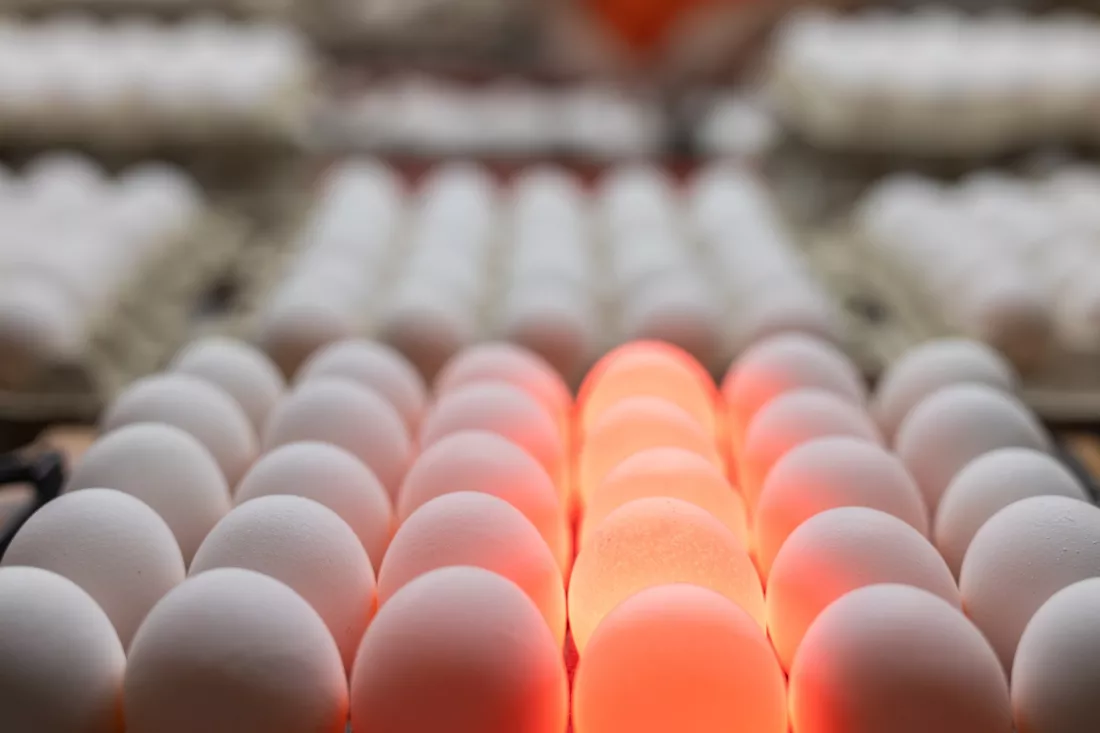
W Unii Europejskiej ginie co roku około 330 milionów piskląt płci męskiej — nie dlatego, że coś poszło źle, ale dlatego, że kogut nie zniesie jaja, a na mięso rośnie za wolno. Niemcy i Francja już tego zakazały, więc branża szuka sposobu, by poznać płeć wcześniej niż przy taśmie sortowniczej. Zespół projektu Omegga twierdzi, że wystarczy światło i szósty dzień inkubacji — a to temat na styku biologii, optyki i uczenia maszynowego, czyli kierunków, których zwykle nie szuka się pod hasłem „rolnictwo”.
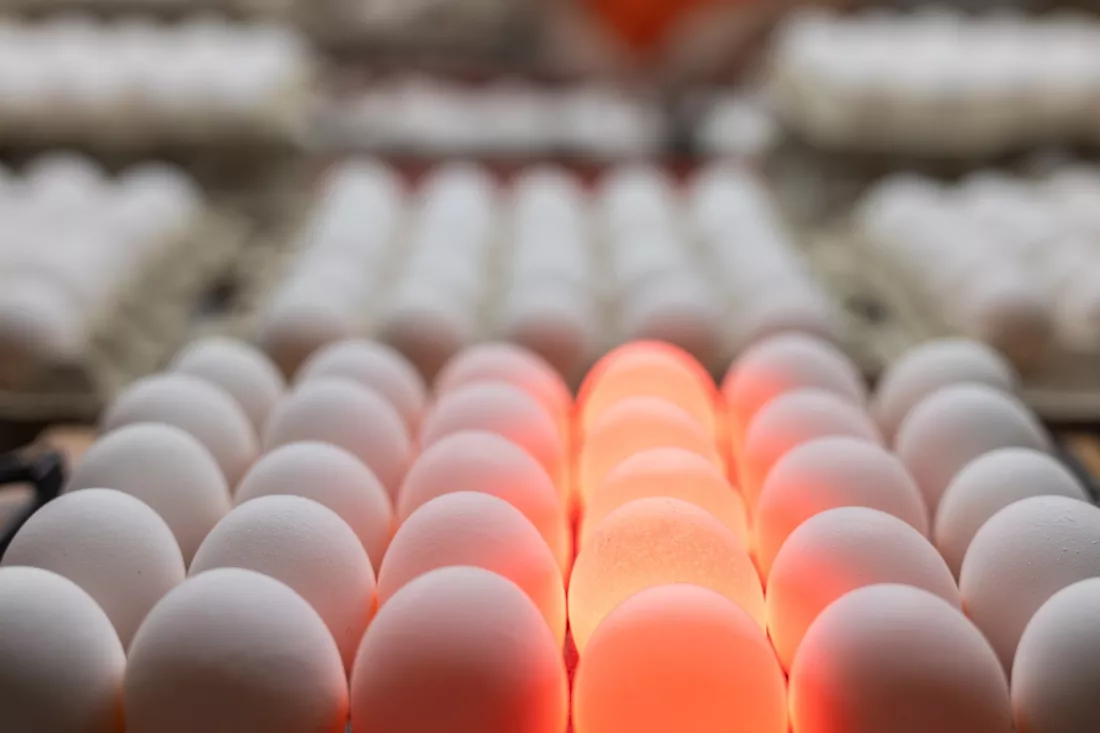
Cada año se sacrifican en la Unión Europea unos 330 millones de polluelos macho: no ponen huevos y no dan carne suficiente para salir a cuenta. Alemania y Francia ya lo han prohibido y varios Estados miembros piden que la UE haga lo mismo. Un proyecto financiado por el Consejo Europeo de Innovación propone otra salida: iluminar el huevo, medir la luz que devuelve y dejar que un algoritmo diga qué hay dentro antes de que nazca nada — biología, física y programación en el mismo sitio, una mezcla que no atrae a todo el mundo por igual.
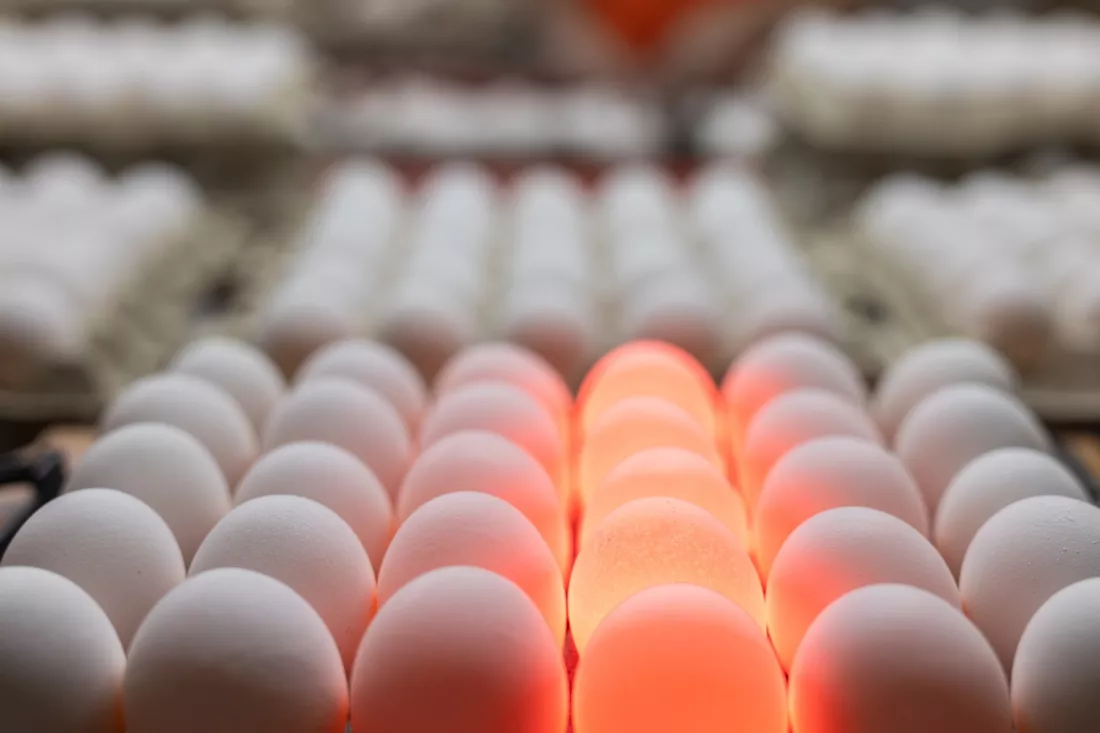
Around 330 million male chicks are killed in the EU every year, because they lay no eggs and put on too little meat to pay for their feed. Germany and France have already banned the practice, and other Member States are pushing for an EU-wide ban, which leaves hatcheries with a question they have to answer before anything hatches. A German team funded by the European Innovation Council shines light through the shell and lets an algorithm read the answer - a mix of ethics, optics and code that is worth asking yourself about before you pick a degree.
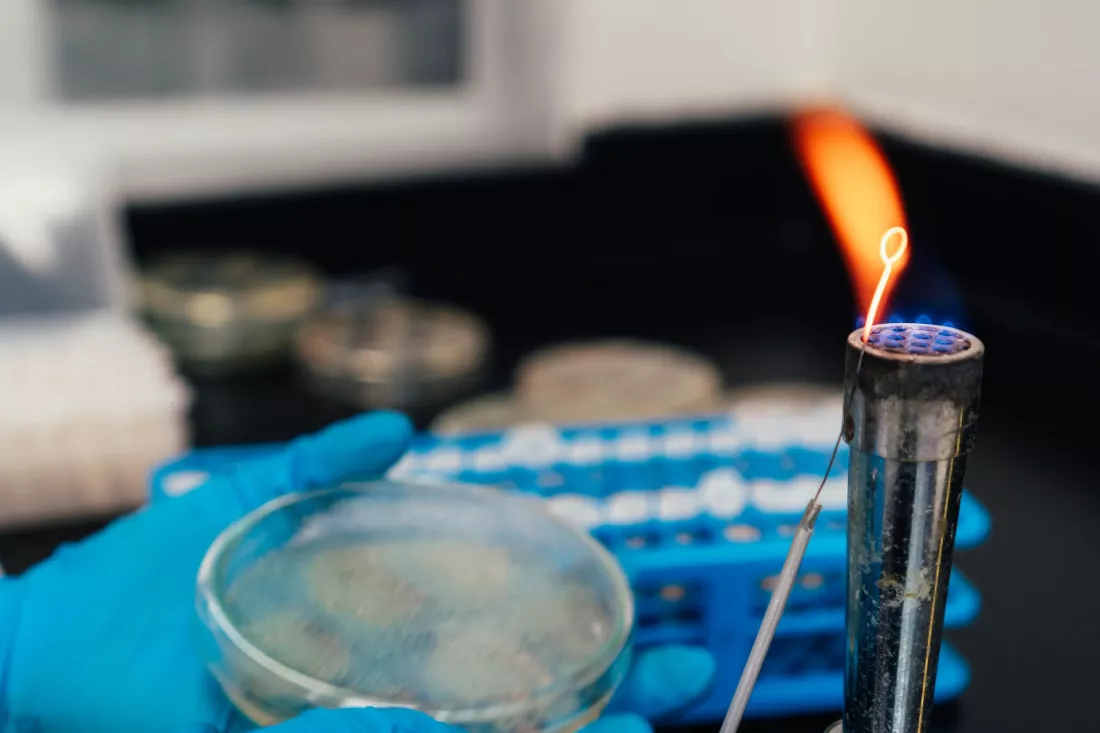
Wielka chemia stoi dziś na paliwach kopalnych i wysokiej temperaturze: żeby cokolwiek zareagowało, trzeba to najpierw porządnie ogrzać. Zespół europejskiego projektu SCOPE poszedł inną drogą i zamiast pieca użył prądu oraz zimnej plazmy, w której rozpędzone są same elektrony, a gaz wokół nich zostaje chłodny. Ślad węglowy takich procesów bywa mniejszy nawet o ponad 90%, a zastosowania sięgają od nawozów po czekoladę – a wszystko to stoi na jednym nawyku: zmieniasz jeden parametr i sprawdzasz, co się stało.


 EN
EN CS
CS DE
DE ES
ES FR
FR HU
HU IT
IT PL
PL PT
PT РУ
РУ SK
SK TR
TR УК
УК AR
AR 中文
中文