

I fiumi e le torbiere si possono restituire alla natura, e non solo in singoli tratti, ma su larga scala. Il progetto europeo MERLIN lo ha verificato in pratica in 18 siti, dal fiume tedesco Emscher alle torbiere prosciugate della Finlandia. La scoperta più interessante, però, non riguarda le ruspe né i disegni tecnici, ma le persone: il successo dipende più spesso da come vanno d’accordo amministrazioni, imprese, organizzazioni e scienziati di discipline diverse. E alla fine puoi scoprire come te la caveresti in una squadra del genere.

Les rivières et les tourbières peuvent être rendues à la nature, et pas seulement sur quelques tronçons, mais à grande échelle. Le projet MERLIN l’a vérifié sur 18 sites, de l’Emscher en Allemagne aux tourbières drainées de Finlande. L’enseignement le plus intéressant ne concerne pas les pelleteuses, mais les gens : le succès dépend souvent de l’entente entre administrations, entreprises, organisations et scientifiques de disciplines différentes. À la fin, vous pourrez vérifier comment vous vous en sortiriez dans une telle équipe.

Los ríos y las turberas se pueden devolver a la naturaleza, y no solo en tramos sueltos, sino a gran escala. El proyecto europeo MERLIN lo puso a prueba en 18 lugares, desde el río alemán Emscher hasta turberas drenadas en Finlandia. La conclusión más interesante no tiene que ver con excavadoras, sino con las personas: el éxito depende a menudo de cómo se entienden administraciones, empresas, organizaciones y científicos de distintas especialidades. Al final puedes comprobar cómo te desenvolverías en un equipo así.

Flüsse und Moore lassen sich der Natur zurückgeben – und zwar nicht nur auf einzelnen Abschnitten, sondern im großen Maßstab. Das Projekt MERLIN hat das an 18 Standorten geprüft, von der Emscher bis zu entwässerten Mooren in Finnland. Die interessanteste Erkenntnis betrifft jedoch nicht Bagger, sondern Menschen: Über den Erfolg entscheidet oft, wie Behörden, Firmen, Organisationen und Forschende verschiedener Fächer miteinander auskommen – und am Ende kannst du prüfen, wie du dich in so einem Team schlagen würdest.

Rivers and peatlands can be given back to nature — and not just in single stretches, but on a large scale. The European MERLIN project put this to the test at 18 sites, from Germany’s Emscher river to drained peatlands in Finland. Yet the most interesting finding is not about excavators or technical drawings, but about people: success more often depends on how authorities, companies, organisations and scientists from different fields get along — and at the end you can check how you would fare in such a team.
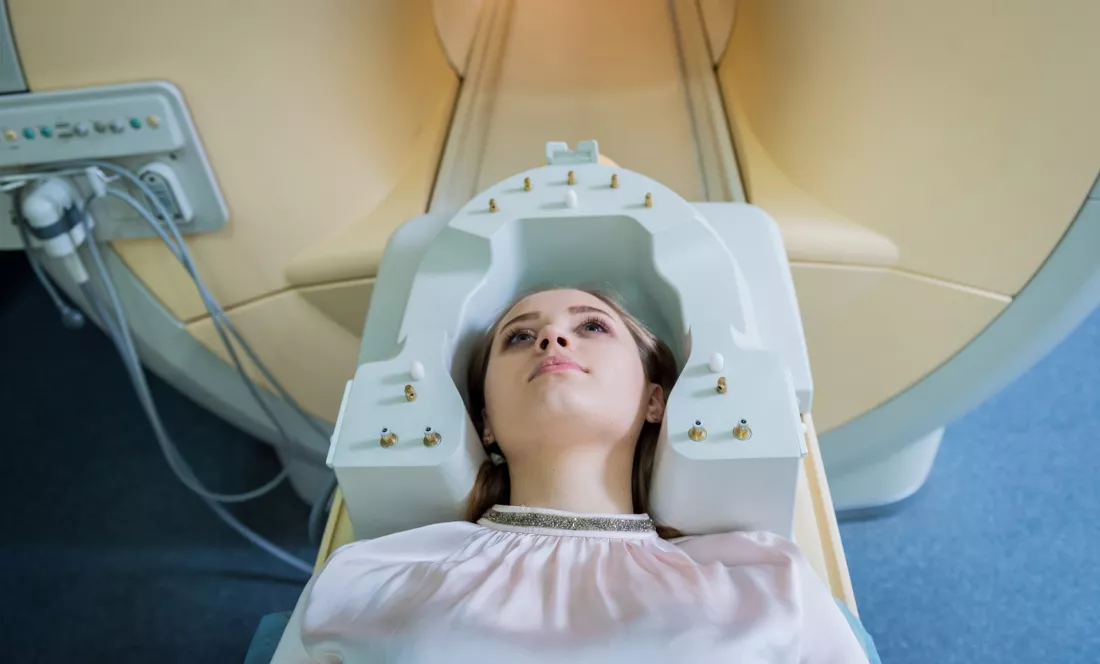
Una risonanza magnetica mostra dove si trova un tumore cerebrale e quanto è grande. Ma dice se è pericoloso e se la terapia funzionerà? Giacomo Annio esamina i tumori con le vibrazioni: un dispositivo grande come un cellulare, appoggiato alla testa, permette di capire se il tessuto è rigido o morbido. Il risultato sorprende, perché i glioblastomi più aggressivi sono più morbidi di ciò che li circonda. E siccome è una storia sul guardare più a fondo, alla fine potrai verificare se giudichi dalle apparenze.
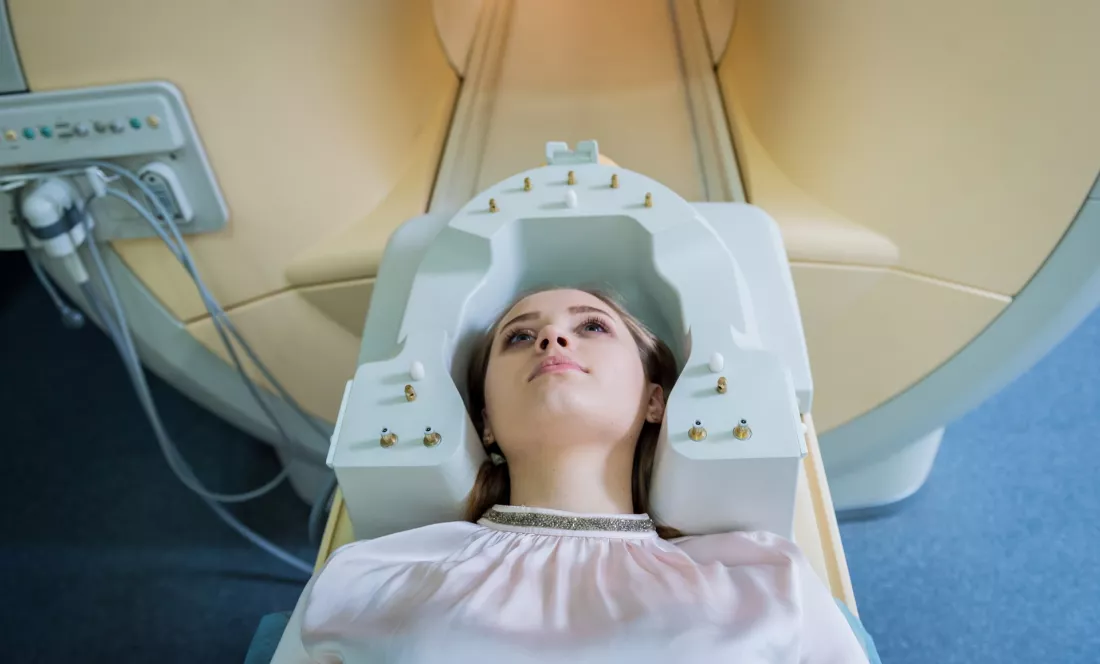
Une IRM montre où se trouve une tumeur cérébrale et sa taille. Mais dit-elle si elle est dangereuse et si le traitement fonctionnera ? Giacomo Annio examine les tumeurs grâce aux vibrations : un dispositif de la taille d’un téléphone portable, placé contre la tête, indique si le tissu est rigide ou souple. Le résultat surprend, car les glioblastomes les plus agressifs sont plus souples que leur environnement. Et comme il s’agit de regarder plus loin, vous pourrez vérifier à la fin si vous jugez sur les apparences.
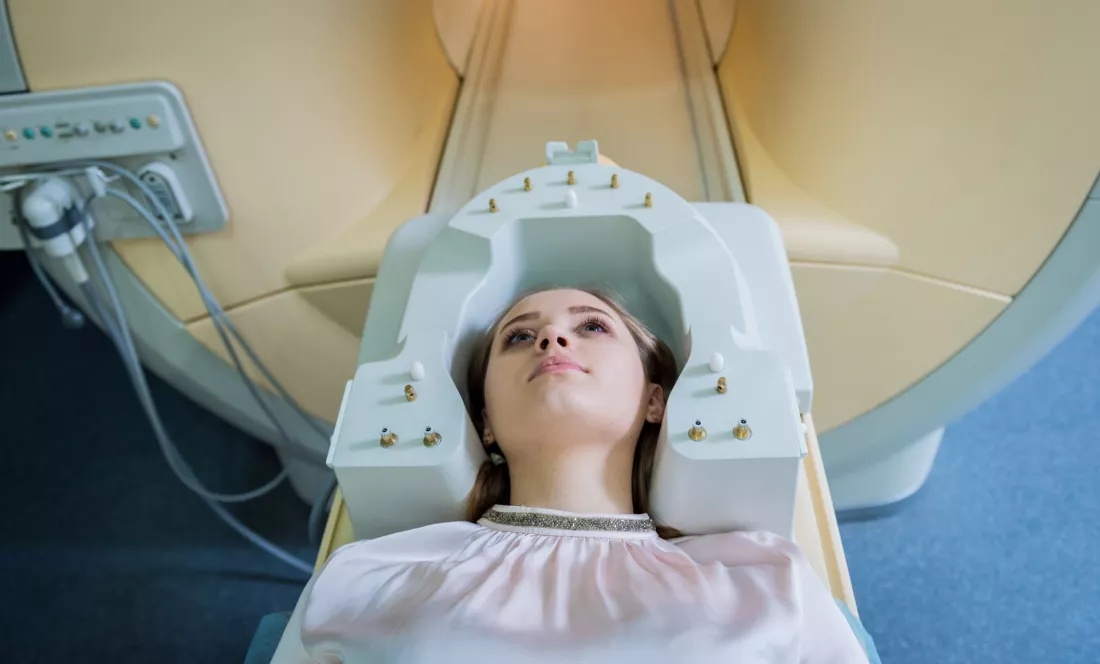
Una resonancia magnética muestra dónde está un tumor encefálico y qué tamaño tiene. Pero ¿dice si es peligroso y si el tratamiento funcionará? Giacomo Annio examina los tumores con vibraciones: un dispositivo del tamaño de un teléfono móvil, colocado sobre la cabeza, indica si el tejido es rígido o blando. El resultado sorprende, porque los glioblastomas más agresivos son más blandos que su entorno. Y como esta es una historia sobre mirar más a fondo, al final podrás comprobar si tú juzgas por las apariencias.
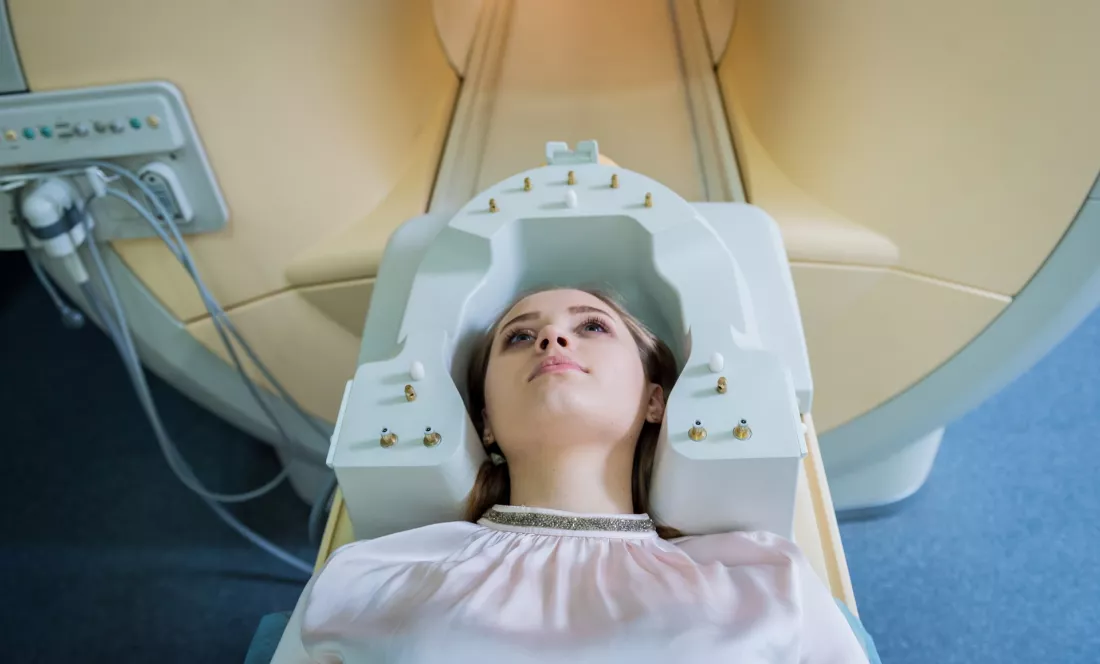
Eine MRT zeigt, wo ein Hirntumor liegt und wie groß er ist. Verrät sie auch, wie gefährlich der Krebs ist und ob die Behandlung wirkt? Giacomo Annio prüft Tumoren mit Vibrationen: Ein Gerät in der Größe eines Mobiltelefons, an den Kopf angelegt, zeigt, ob das Gewebe steif oder weich ist. Das Ergebnis überrascht, denn die aggressivsten Glioblastome sind weicher als ihre Umgebung. Und weil es ums genauere Hinsehen geht, kannst du am Ende prüfen, ob du selbst nach dem Schein urteilst.
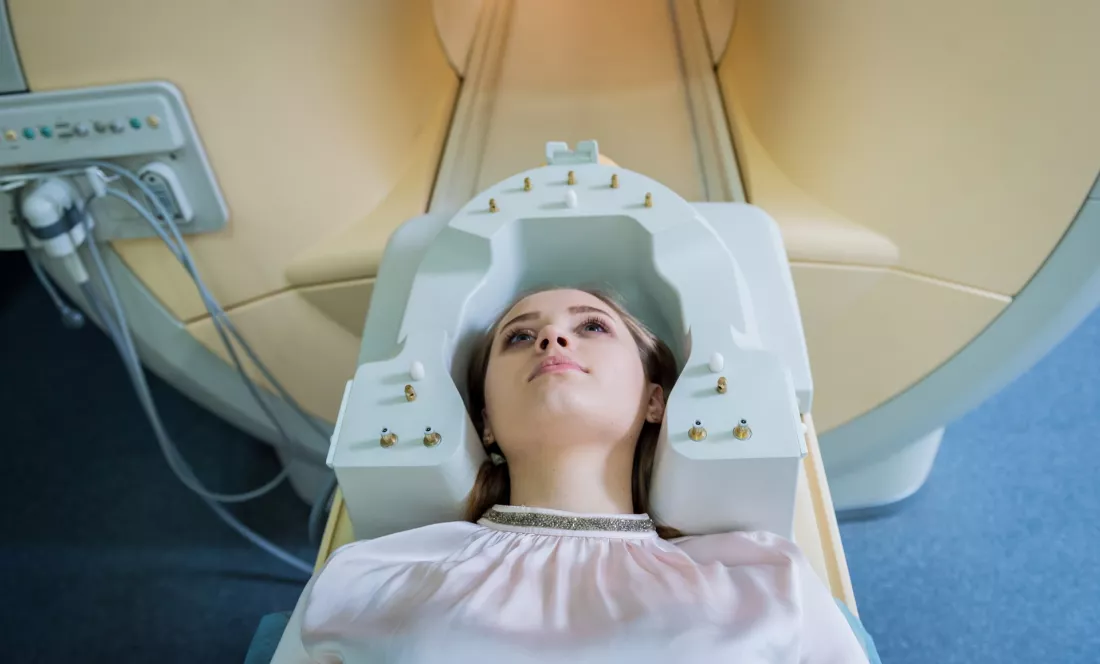
An MRI scan shows where a brain tumour is and how big it is. But does it say how dangerous the cancer is and whether treatment will work? Giacomo Annio tests tumours with vibrations: a device the size of a phone, placed against the head, shows whether tissue is stiff or soft. The result is surprising, because the most aggressive glioblastomas are softer than their surroundings — and as this is a story about looking deeper, at the end you can check whether you judge by appearances yourself.

Pesano meno di 50 grammi, volano di notte per migliaia di chilometri e raggiungono i quartieri di svernamento senza mappa. Da oltre 50 anni gli scienziati si chiedono come gli uccelli migratori percepiscano il debole campo magnetico terrestre. Il team di QuantumBirds mette alla prova una risposta da fantascienza: la bussola potrebbe trovarsi nell’occhio e funzionare grazie a fenomeni quantistici – e alla fine puoi scoprire che tipo di navigatore sei quando il telefono perde la copertura.

Ils pèsent moins de 50 grammes, volent de nuit sur des milliers de kilomètres et rejoignent leurs quartiers d’hiver sans carte. Depuis plus de 50 ans, les chercheurs se demandent comment les oiseaux migrateurs perçoivent le faible champ magnétique terrestre. L’équipe de QuantumBirds teste une réponse digne de la science-fiction : la boussole pourrait se trouver dans l’œil et fonctionner grâce à des phénomènes quantiques – et à la fin, vous pourrez découvrir quel navigateur vous êtes quand votre téléphone n’a plus de réseau.

Pesan menos de 50 gramos, vuelan miles de kilómetros de noche y llegan a sus zonas de invernada sin mapa. Desde hace más de 50 años, los científicos se preguntan cómo perciben las aves migratorias el débil campo magnético de la Tierra. El equipo de QuantumBirds pone a prueba una respuesta de ciencia ficción: la brújula podría estar en el ojo y funcionar gracias a fenómenos cuánticos; y al final puedes comprobar qué tipo de navegante eres cuando tu móvil se queda sin cobertura.

Sie wiegen unter 50 Gramm, fliegen nachts Tausende Kilometer und finden ohne Karte in ihre Überwinterungsgebiete. Seit über 50 Jahren rätselt die Wissenschaft, wie Zugvögel das schwache Erdmagnetfeld wahrnehmen. Das Team von QuantumBirds prüft eine Antwort wie aus der Science-Fiction: Der Kompass könnte im Auge sitzen und dank Quantenphänomenen funktionieren – und am Ende kannst du testen, was für ein Navigator du bist, wenn dein Handy keinen Empfang hat.

They weigh less than 50 grams, fly thousands of kilometres at night and find their wintering grounds without any map. For over half a century, migratory songbirds have posed scientists the same puzzle: how do they sense Earth’s weak magnetic field? The QuantumBirds team is testing an answer that sounds like science fiction: the compass may sit in the bird’s eye and work through quantum effects — and at the end you can find out what kind of navigator you are when your phone loses its signal.
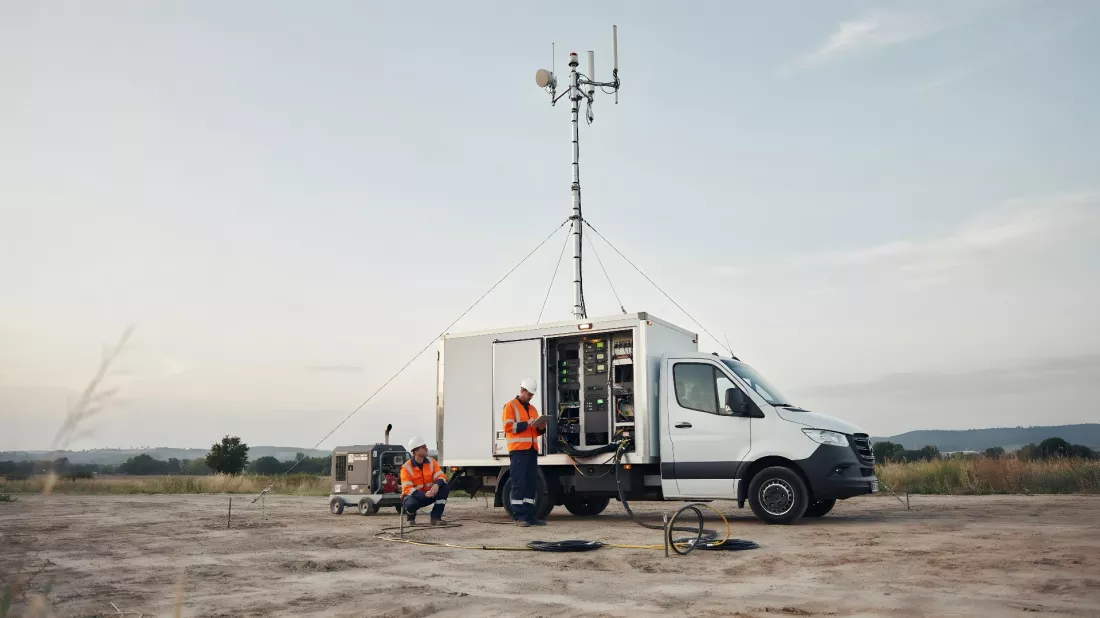
Un terremoto, un’alluvione o un incendio possono spegnere la copertura del telefono in pochi istanti, proprio quando serve di più. Il progetto europeo GEXTRECS ha cercato il modo di non lasciare senza contatti i servizi di emergenza, anche quando la rete a terra è fuori uso. Entrano in gioco satelliti, un algoritmo brillante e il programma spaziale dell’UE. Ti raccontiamo come funziona e com’è andata la prova generale — e alla fine puoi verificare come te la cavi in una crisi.
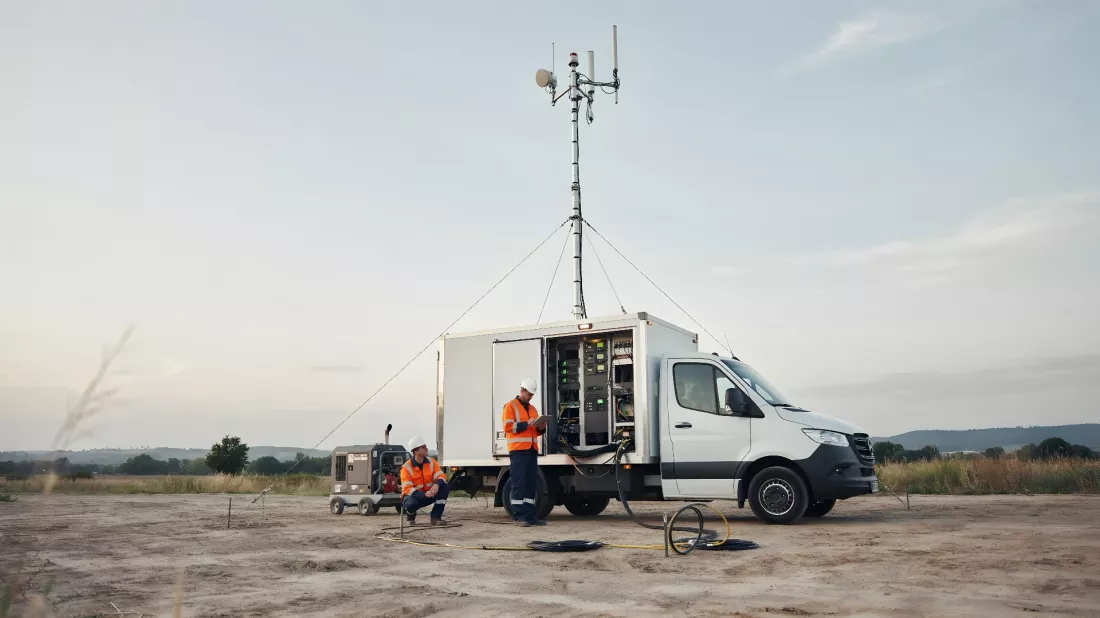
Un séisme, une inondation ou un incendie peuvent couper le réseau en quelques instants, juste quand on en a le plus besoin. Le projet européen GEXTRECS a cherché comment éviter que les secours perdent le contact, même quand le réseau terrestre est à terre. Satellites, algorithme astucieux et programme spatial de l’UE entrent en jeu. Nous expliquons comment cela fonctionne et comment s’est passée la répétition générale — et à la fin, vous pourrez vérifier comment vous vous débrouilleriez en cas de crise.
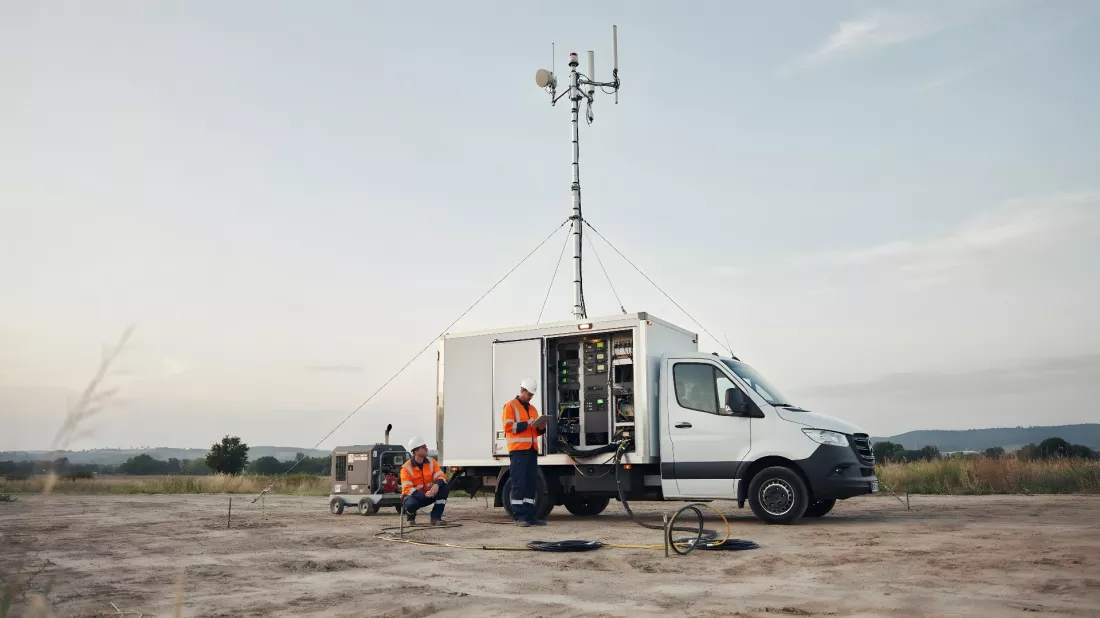
Un terremoto, una inundación o un incendio pueden dejar sin cobertura el teléfono en instantes, justo cuando más falta hace comunicarse. El proyecto europeo GEXTRECS investigó cómo evitar que los servicios de emergencia se queden incomunicados aunque la red terrestre haya caído. Entran en juego satélites, un algoritmo ingenioso y el programa espacial de la UE. Te contamos cómo funciona y cómo salió el ensayo general con una catástrofe simulada, y al final puedes comprobar cómo te las arreglarías en una crisis.
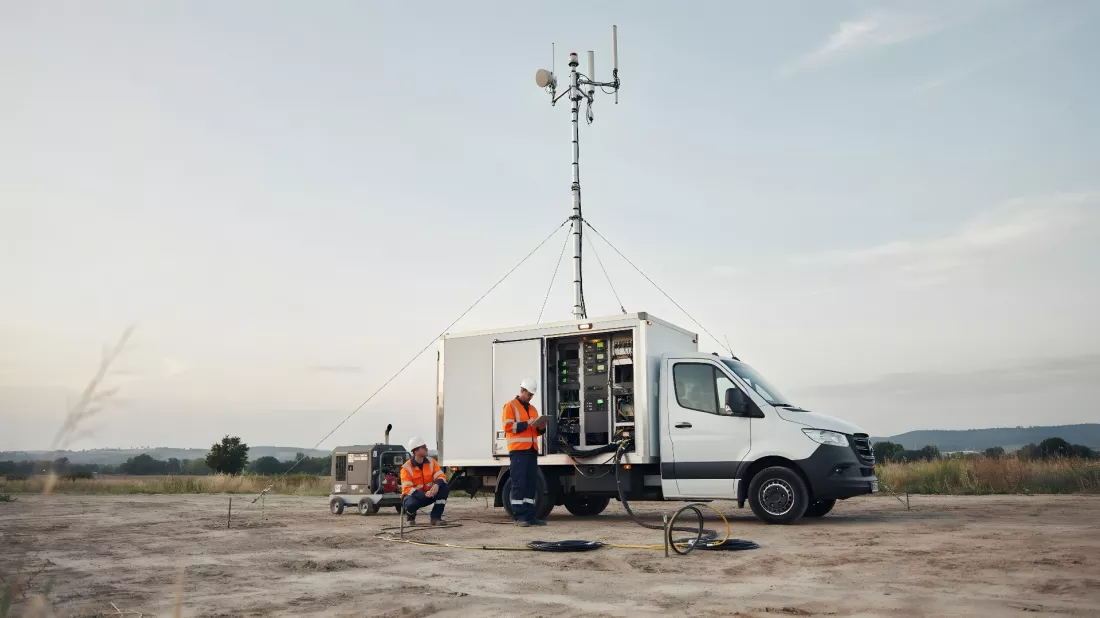
Ein Erdbeben, eine Überschwemmung oder ein Brand können den Handyempfang binnen Augenblicken lahmlegen, und gerade dann wird Kommunikation am dringendsten gebraucht. Das europäische Projekt GEXTRECS ist der Frage nachgegangen, wie Rettungsdienste auch bei ausgefallenem Netz in Kontakt bleiben. Dabei kommen Satelliten, ein cleverer Algorithmus und das EU-Weltraumprogramm ins Spiel. Wir beschreiben, wie das funktioniert und wie die Generalprobe verlief — und am Ende kannst du prüfen, wie du in einer Krise zurechtkommst.
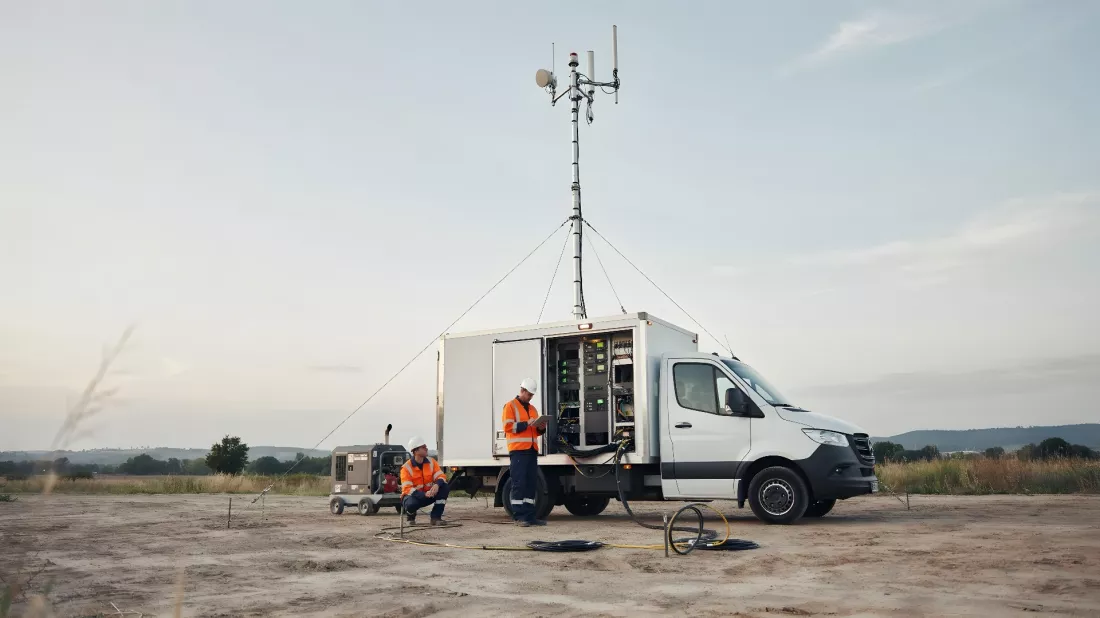
An earthquake, a flood or a fire can knock out phone coverage within moments, and that is exactly when communication matters most. The European GEXTRECS project looked at how to make sure emergency services do not lose contact even when the ground network is down. Satellites, a clever algorithm and the EU space programme come into play. We describe how it works and how the dress rehearsal with a simulated disaster went — and at the end you can check how you would cope with communication in a crisis.


 English
 Čeština
 Deutsch
 Español
 Français
 Magyar
 Italiano
 Polski
 Português
 Русский
 Slovenčina
 Türkçe
 Українська
 العربية
 中文