
Das Alter eines Sterns wird meist behandelt wie eine Zahl aus der Tabelle: elf Milliarden Jahre, fertig. Dahinter steckt aber ein Modell, das vieles annimmt, statt es zu messen – und Helium, das zweithäufigste Element im Universum, gehört zu den am schwersten messbaren dieser Größen. Das ERC-Projekt CartographY hat genau daran gearbeitet: am Unterschied zwischen einer präzise klingenden und einer wirklich genauen Zahl – ein Unterschied, an dem sich auch ablesen lässt, ob jemand in der Astronomie eher Methoden oder Bilder sucht.

Star catalogues hand out ages to several decimal places, and the numbers look as solid as a temperature reading. They are not. For decades the models behind them simply assumed how much helium a star holds, because nobody knew how to measure it. The EU-funded CartographY project set out to stop assuming, and in the process it showed how far precision can drift from accuracy — the difference between treating astrophysics as a method and treating it as a view.

Liczba przy nazwie gwiazdy wygląda na twardy pomiar: kilka miliardów lat, parę miejsc po przecinku, sprawa zamknięta. Tymczasem to wynik rachunku, w którym jednej z kluczowych wielkości nikt nie zmierzył — po prostu ją założono. Europejski projekt CartographY spróbował wyjść z tego zaklętego kręgu i pokazać, gdzie kończy się wiedza o gwiazdach, a zaczyna wygodne założenie — a to dobry moment, żeby sprawdzić, czy bliżej Ci do zdjęć z teleskopu, czy do metod, którymi ustala się fakty.
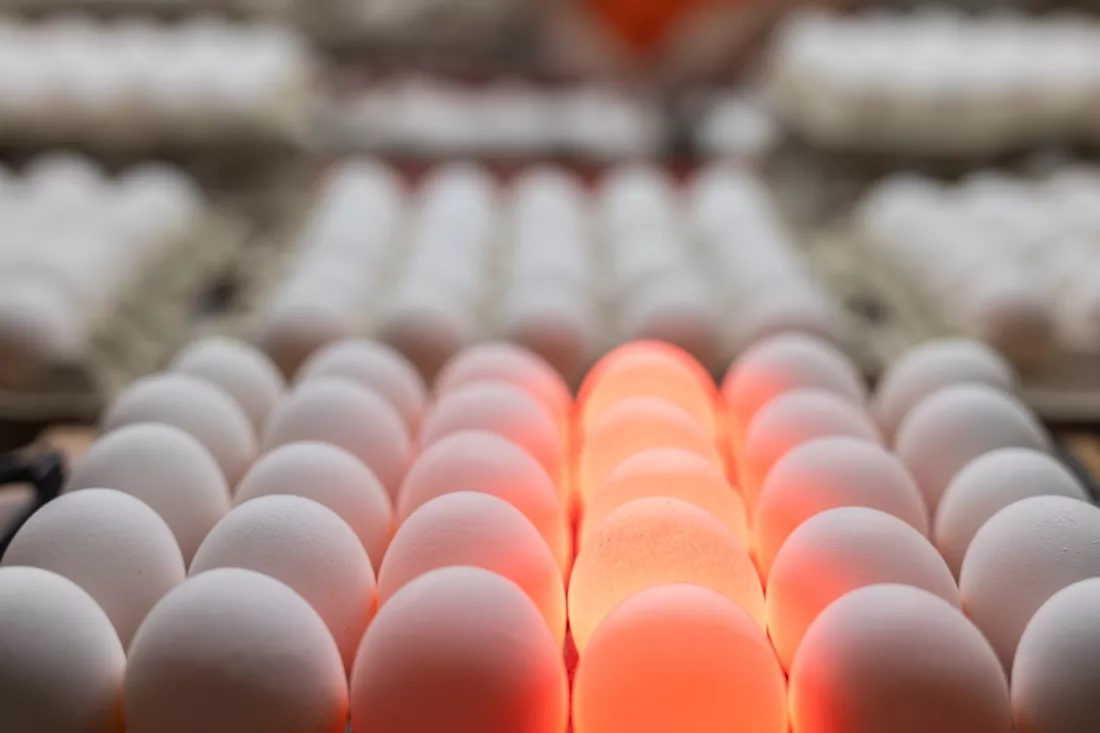
Jedes Jahr werden in der EU schätzungsweise 330 Millionen männliche Küken getötet, weil sie keine Eier legen und für die Fleischproduktion zu wenig ansetzen. In Deutschland und Frankreich ist die Praxis bereits verboten, mehrere Mitgliedstaaten fordern ein EU-weites Verbot. Das EIC-finanzierte Projekt Omegga setzt früher an: im Ei. Licht, Spektroskopie und maschinelles Lernen verraten dort das Geschlecht des Embryos – eine Mischung aus Biologie, Physik und Programmierung, die entweder sofort fasziniert oder überhaupt nicht.
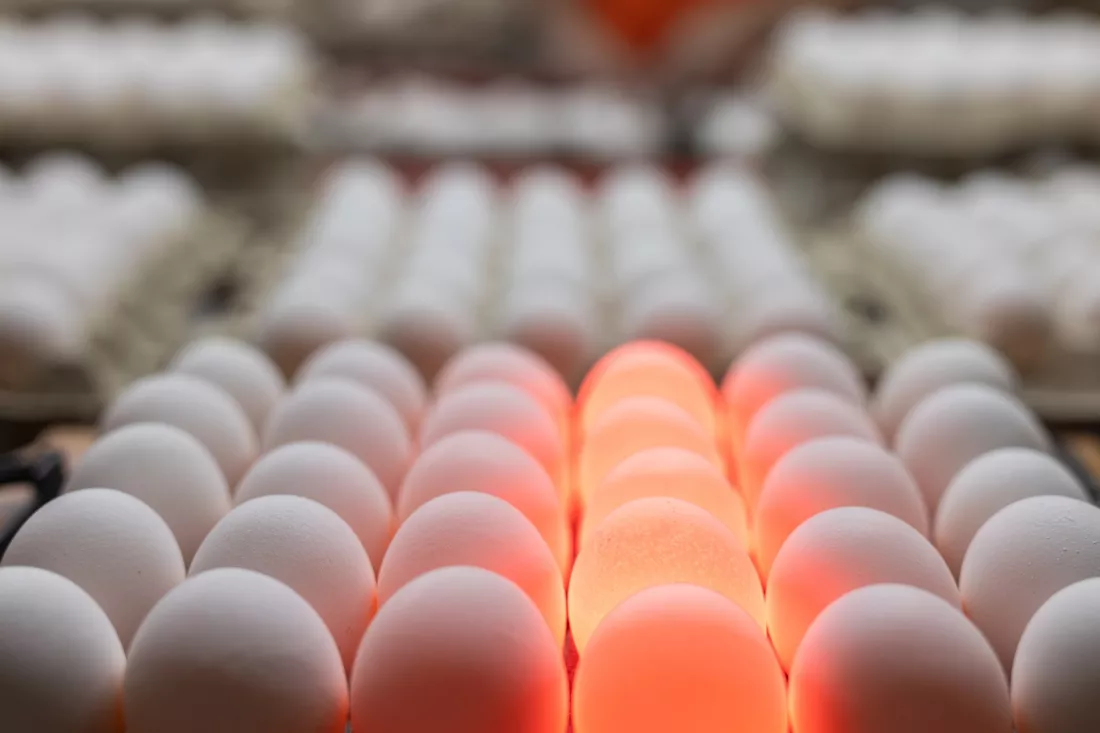
Chaque année, environ 330 millions de poussins mâles sont tués dans l'Union européenne parce qu'ils ne pondent pas et grossissent trop peu. L'Allemagne et la France ont déjà interdit cette pratique. Une entreprise allemande soutenue par le Conseil européen de l'innovation propose une autre voie : éclairer l'œuf dès le sixième jour d'incubation et lire, dans le spectre renvoyé, le sexe de l'embryon - de l'optique, de la biologie et de l'apprentissage automatique dans la même machine, le mélange que passe au crible le questionnaire ci-dessous.
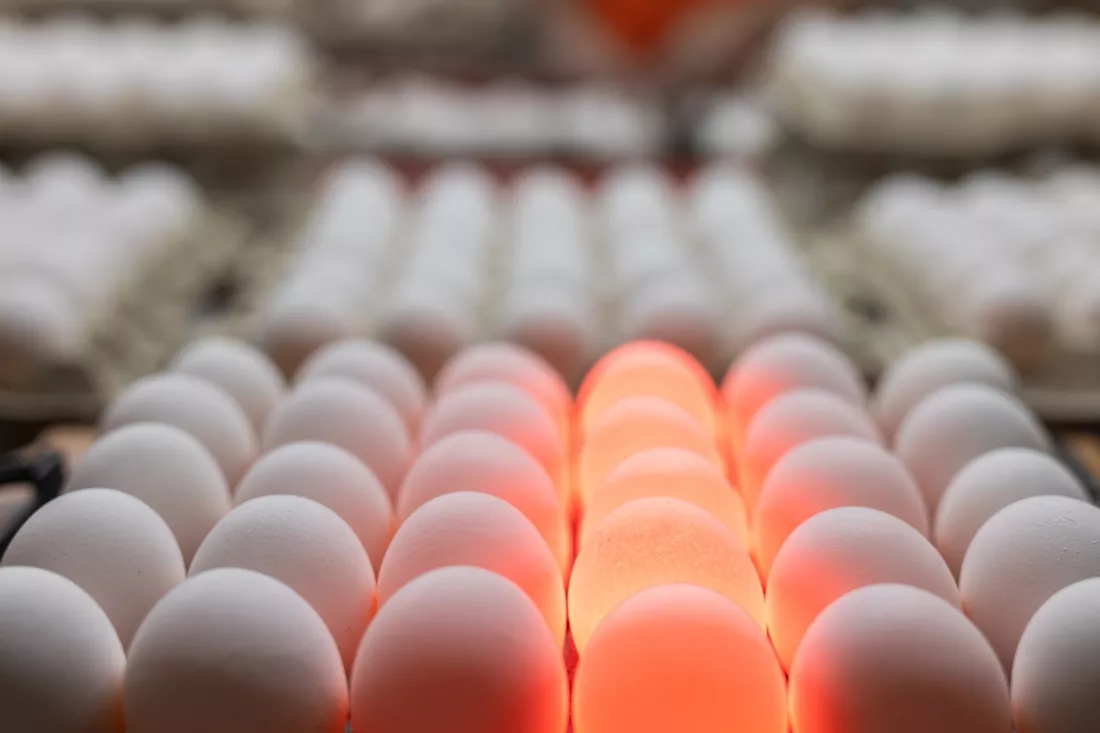
Ogni anno nell'UE vengono uccisi circa 330 milioni di pulcini maschi, perché non depongono uova e non producono abbastanza carne da risultare redditizi. Germania e Francia hanno già vietato la pratica, ma i metodi per riconoscere il sesso prima della schiusa restano invasivi e costosi. Il progetto europeo Omegga prova a cambiare le carte in tavola con un fascio di luce e un algoritmo — un incrocio fra biologia, fisica e programmazione che non è il mestiere di tutti.
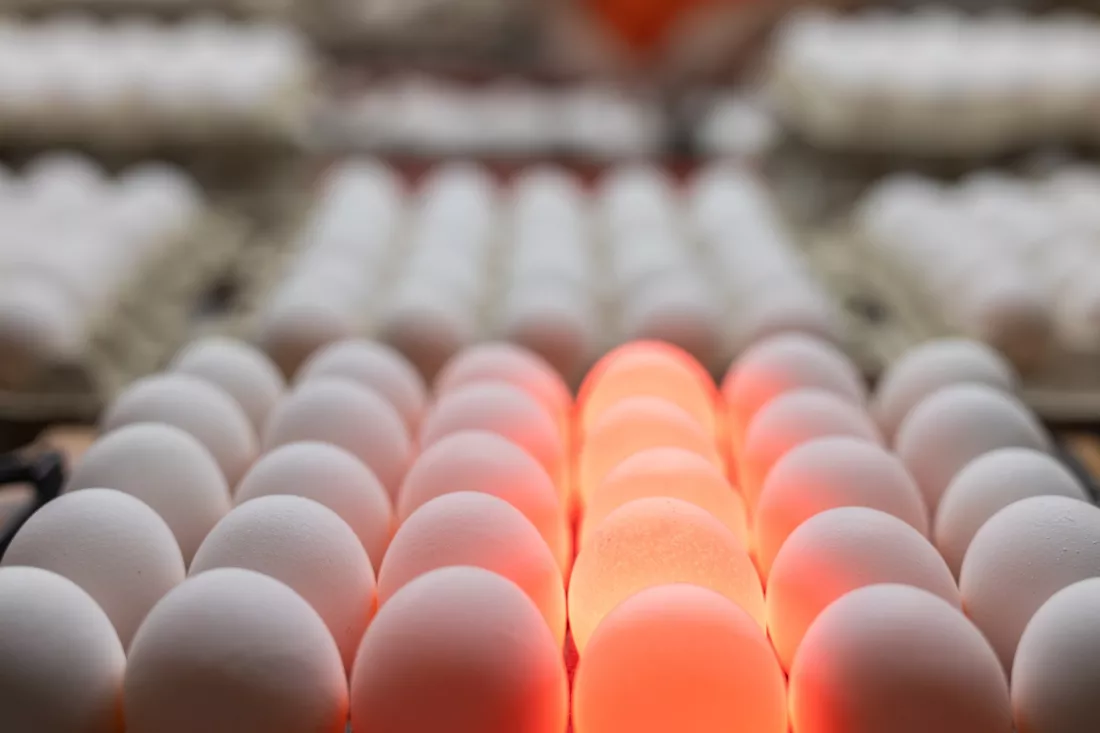
W Unii Europejskiej ginie co roku około 330 milionów piskląt płci męskiej — nie dlatego, że coś poszło źle, ale dlatego, że kogut nie zniesie jaja, a na mięso rośnie za wolno. Niemcy i Francja już tego zakazały, więc branża szuka sposobu, by poznać płeć wcześniej niż przy taśmie sortowniczej. Zespół projektu Omegga twierdzi, że wystarczy światło i szósty dzień inkubacji — a to temat na styku biologii, optyki i uczenia maszynowego, czyli kierunków, których zwykle nie szuka się pod hasłem „rolnictwo”.
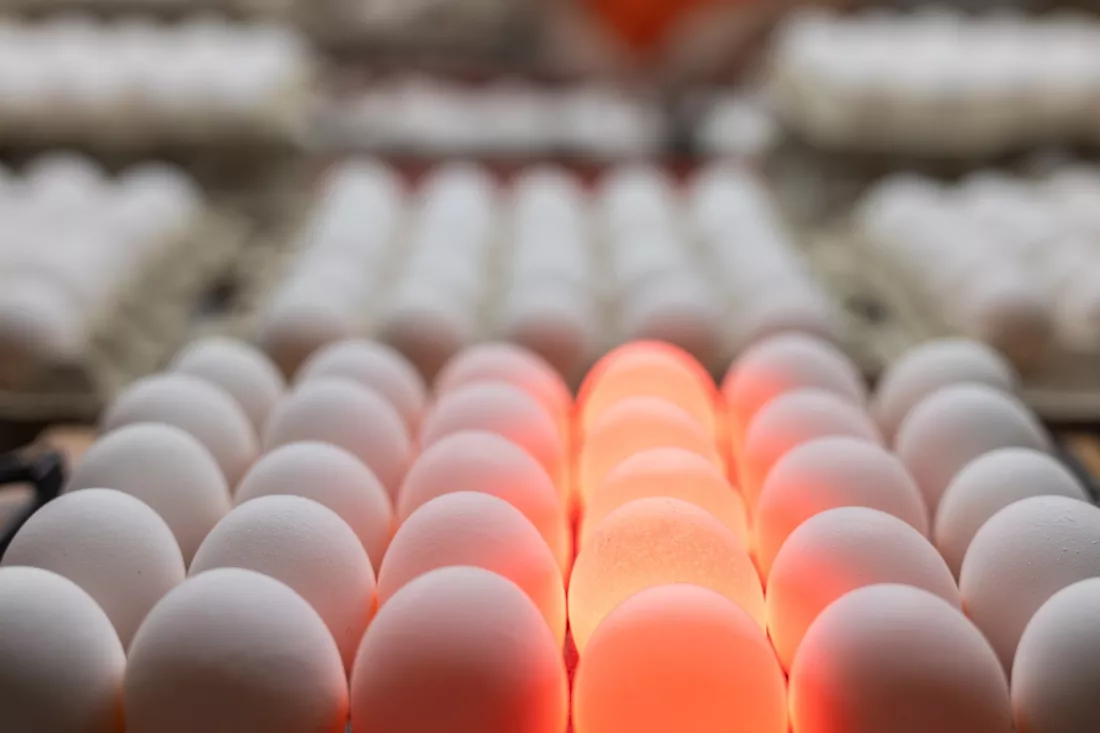
Cada año se sacrifican en la Unión Europea unos 330 millones de polluelos macho: no ponen huevos y no dan carne suficiente para salir a cuenta. Alemania y Francia ya lo han prohibido y varios Estados miembros piden que la UE haga lo mismo. Un proyecto financiado por el Consejo Europeo de Innovación propone otra salida: iluminar el huevo, medir la luz que devuelve y dejar que un algoritmo diga qué hay dentro antes de que nazca nada — biología, física y programación en el mismo sitio, una mezcla que no atrae a todo el mundo por igual.
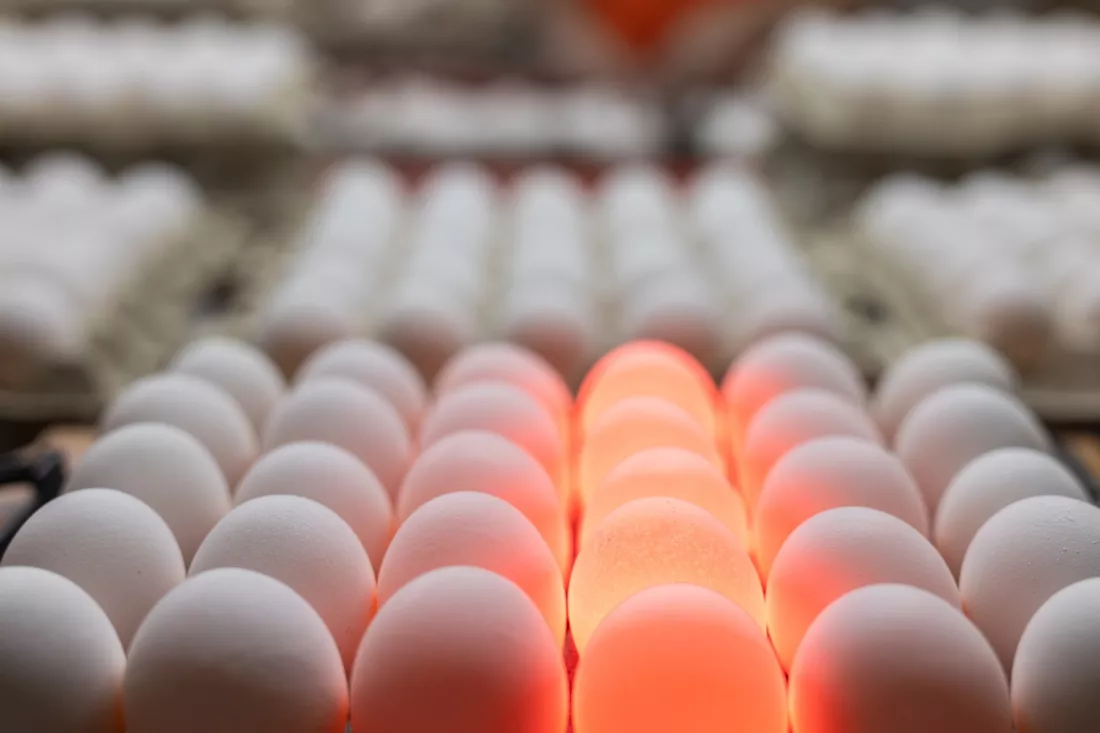
Around 330 million male chicks are killed in the EU every year, because they lay no eggs and put on too little meat to pay for their feed. Germany and France have already banned the practice, and other Member States are pushing for an EU-wide ban, which leaves hatcheries with a question they have to answer before anything hatches. A German team funded by the European Innovation Council shines light through the shell and lets an algorithm read the answer - a mix of ethics, optics and code that is worth asking yourself about before you pick a degree.
Wielka chemia stoi dziś na paliwach kopalnych i wysokiej temperaturze: żeby cokolwiek zareagowało, trzeba to najpierw porządnie ogrzać. Zespół europejskiego projektu SCOPE poszedł inną drogą i zamiast pieca użył prądu oraz zimnej plazmy, w której rozpędzone są same elektrony, a gaz wokół nich zostaje chłodny. Ślad węglowy takich procesów bywa mniejszy nawet o ponad 90%, a zastosowania sięgają od nawozów po czekoladę – a wszystko to stoi na jednym nawyku: zmieniasz jeden parametr i sprawdzasz, co się stało.
La chimica industriale brucia combustibili fossili per scaldare i reattori e ottenere le molecole su cui si reggono fertilizzanti, carburanti e materiali. Il progetto europeo SCOPE, coordinato dall’Università di Messina, ha provato una strada diversa: elettricità rinnovabile e un gas ionizzato che resta freddo, con un’impronta di carbonio più bassa fino a oltre il 90 %. Dietro quella chimica c’è un modo di ragionare fatto di parametri, condizioni e confronti — cinque domande in fondo all’articolo dicono quanto ti somiglia.
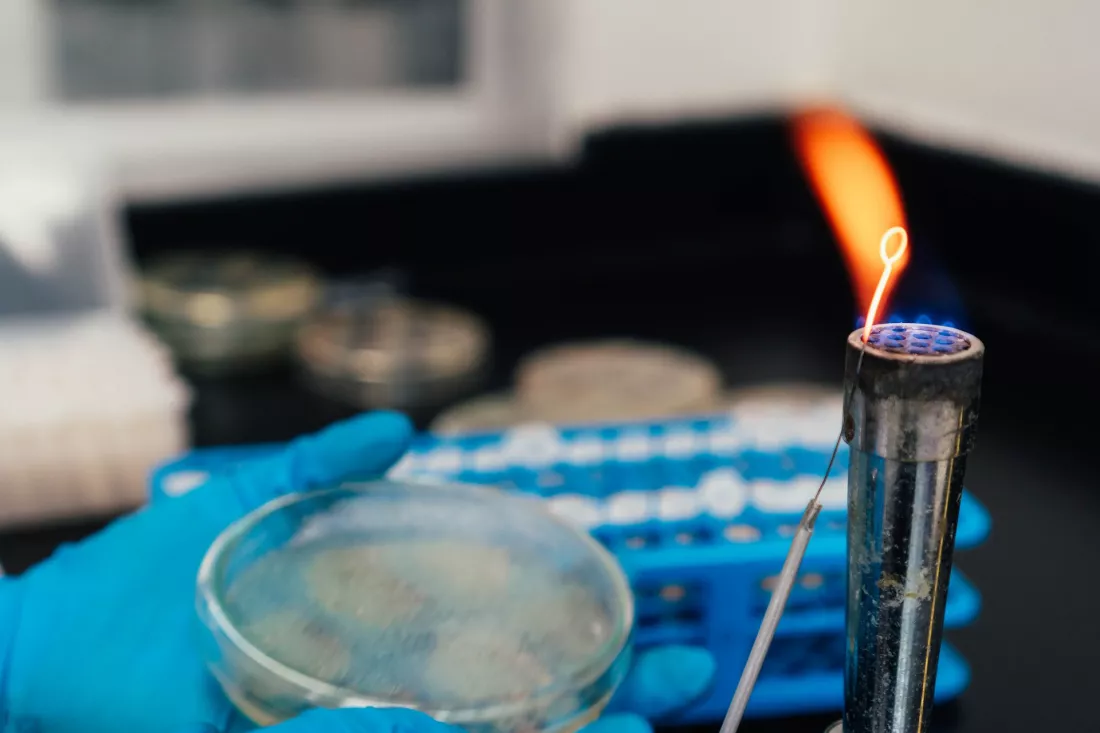
Die Grundstoffchemie läuft bis heute auf fossilen Brennstoffen: Wärme und Druck für die großen Reaktionen stammen meist aus Erdgas. Das ERC-finanzierte Projekt SCOPE hat einen anderen Weg getestet — Strom aus erneuerbaren Quellen, ein Gas im vierten Aggregatzustand und einen Katalysator, der die Sache zusammenhält. Der CO2-Fußabdruck fällt dabei um bis zu über 90 %. Dahinter steckt eine Denkweise, die in Laboren zählt: an Parametern drehen, Bedingungen vergleichen, Zahlen einordnen — und ob diese Art zu denken zu dir passt, klärt der Test am Ende.
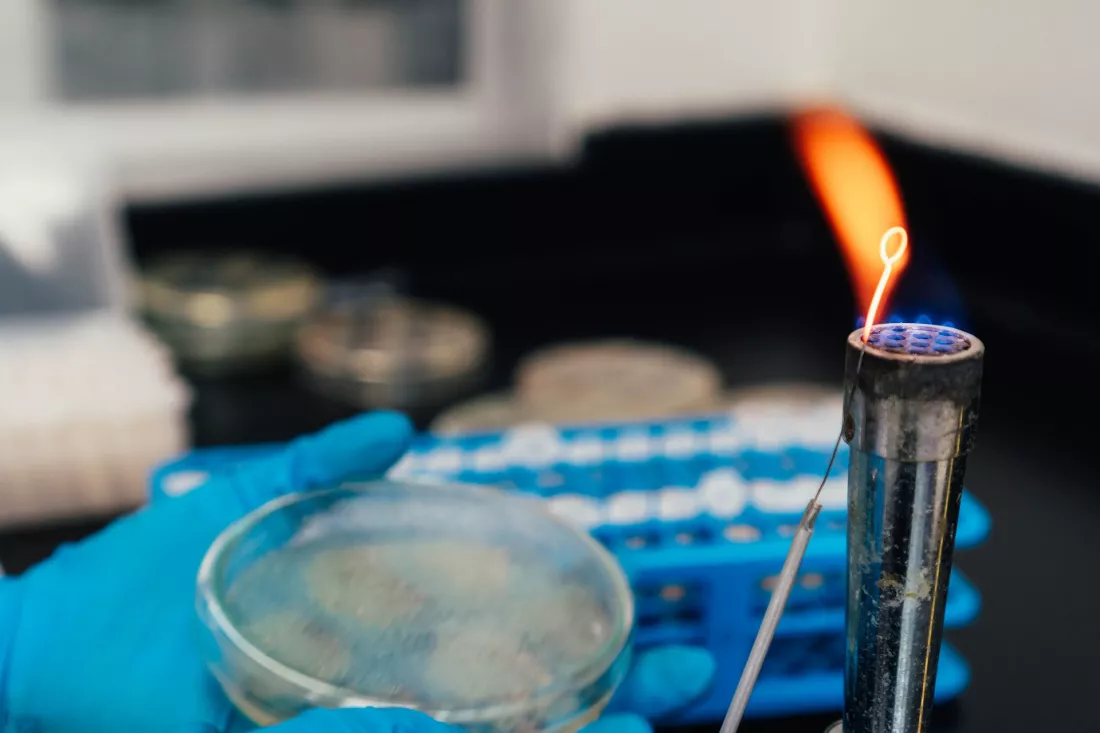
La gran química vive del petróleo y del gas desde hace un siglo: amoniaco, fertilizantes, combustibles líquidos. Un proyecto europeo ha ensayado otra vía, en la que las reacciones no se empujan con calor, sino con electricidad renovable y un gas ionizado que apenas se calienta. Y todo depende de un detalle poco conocido: sin el catalizador adecuado, ese plasma no sirve de nada. Detrás hay una forma muy concreta de razonar — la de los parámetros, las condiciones y las comparaciones, que es lo que mide el test del final.
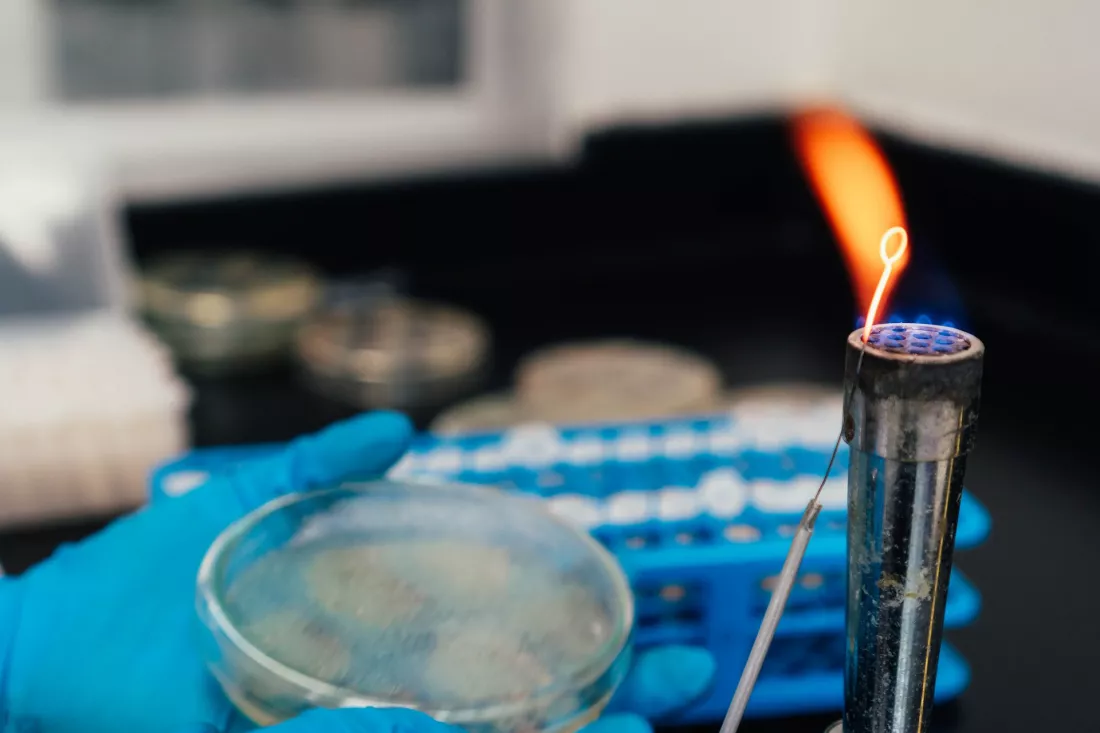
L'industrie chimique tourne encore largement au gaz et au pétrole : il lui faut de la chaleur, beaucoup, et pendant longtemps. Une équipe européenne explore une autre piste, celle qui consiste à brancher les grandes réactions industrielles directement sur l'électricité du vent et du soleil, à l'aide d'un gaz ionisé qui reste froid. Le projet SCOPE annonce une empreinte carbone réduite de plus de 90 % — un terrain pour qui aime comprendre pourquoi un procédé fonctionne avant de savoir ce qu'il coûte.
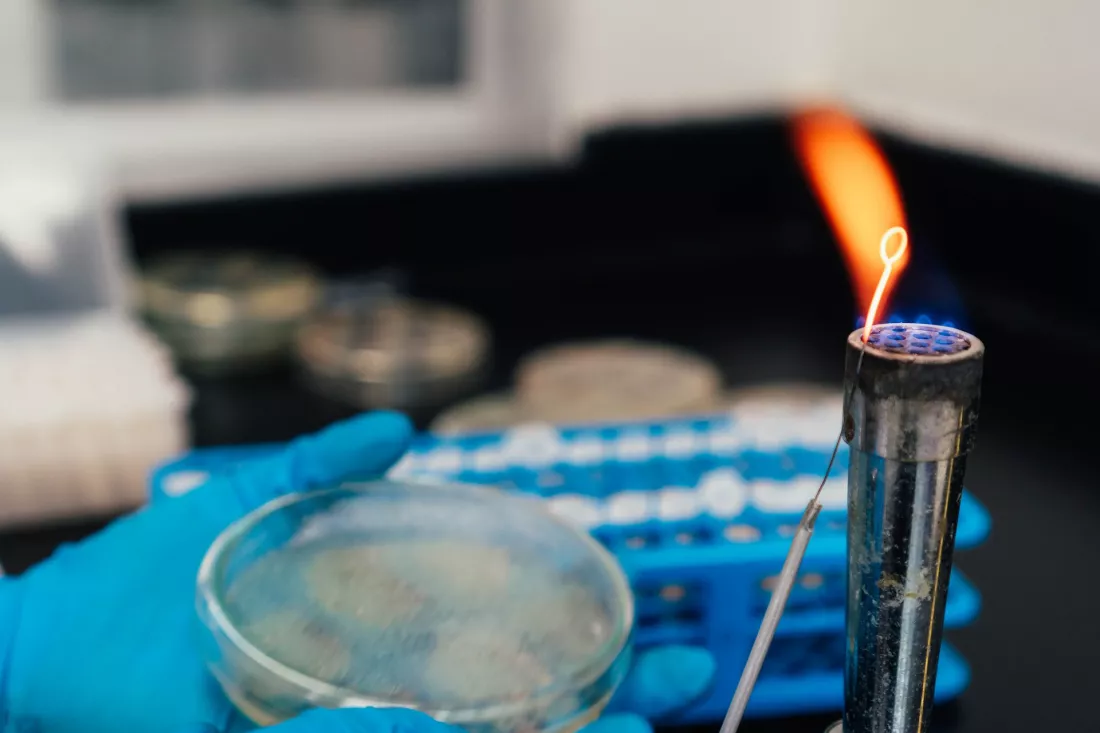
Ammonia, fuels, plastics: the chemical industry still makes almost everything by burning fossil fuels at high temperature and pressure. A European research project has been testing another route - electricity from wind and sun, gas turned into cold plasma, and a catalyst that has to cooperate with it instead of shutting it down. The reported carbon footprint is up to over 90 % lower - and the test at the end asks whether thinking in parameters, conditions and comparisons is already your habit.

Il controllo dall'otorino dice che va tutto bene, poi entri in un locale pieno e della frase di chi ti siede davanti ti resta metà. Non è distrazione, è un guasto che l'esame standard non vede: si chiama perdita dell'udito nascosta. A Gand un gruppo di ricercatori ha costruito un gemello digitale dell'orecchio per stanarla, e con lo stesso modello sta disegnando apparecchi acustici su misura — alla fine puoi vedere quanto rumore si prendono le tue orecchie in una settimana.

Un bar plein, cinq personnes autour de la table, et une conversation qui file entre les doigts : la moitié des phrases se perd dans le fond sonore, on hoche la tête au hasard et on finit par lire sur les lèvres. Chez l'ORL, pourtant, le test ressort parfaitement normal. Une équipe de Gand a construit un jumeau numérique de l'oreille pour attraper ce que cet examen ne voit pas — et à la fin, tu peux mesurer la dose de bruit que se prennent tes oreilles.

Freitagabend, volle Bar, fünf Leute am Tisch, und die Hälfte der Sätze kommt einfach nicht an. Beim letzten Hörtest war alles im grünen Bereich, trotzdem fragt man ständig nach. Forschende der Universität Gent haben im EU-Projekt EarDiTech einen digitalen Zwilling des Ohrs gebaut, der genau diesen versteckten Hörverlust sichtbar macht, und Algorithmen fürs Hörgerät gleich dazu — und am Ende kannst du nachsehen, wie viel Lärm deine Ohren eigentlich abbekommen.

El oído te funciona perfectamente: en la prueba del médico no se te escapa ni un tono y el resultado sale limpio. Y aun así, en un bar lleno a las once de la noche, la mitad de lo que dice quien tienes enfrente se pierde entre la música y el ruido de fondo. No es falta de atención ni cansancio: hay un daño real que las pruebas de siempre no llegan a ver. Un equipo de Gante lleva años buscando cómo medirlo — y al final puedes comprobar cuánto ruido se tragan tus oídos.

Almost 60 million people in Europe live with hearing loss, and the standard test only asks one thing: how quiet a tone you can still catch. Plenty of people pass it without a problem and then sit down in a loud bar catching maybe half of the conversation. A team in Ghent has a name for that gap, a digital copy of the inner ear that explains it and a patented sound that measures it — and at the end you can check how much noise your own ears put up with.


 EN
EN CS
CS DE
DE ES
ES FR
FR HU
HU IT
IT PL
PL PT
PT РУ
РУ SK
SK TR
TR УК
УК AR
AR 中文
中文