Um online nachzuweisen, wer wir sind, geben wir oft viel mehr von uns preis, als nötig wäre. Das EU-finanzierte Projekt TrustED will das ändern: Es verbindet selbstbestimmte digitale Identität, föderales Lernen und moderne Verschlüsselung, damit Menschen und Organisationen Daten sicher austauschen und gemeinsam auswerten können, ohne die Kontrolle abzugeben. Erprobt wird das Ganze bei Freiwilligen und in Krankenhäusern – und am Ende kannst du testen, wie gut du selbst auf deine digitale Identität achtest.
Crear una cuenta, confirmar la edad, enviar un certificado: en internet se nos pide constantemente que demostremos quiénes somos, y a menudo acabamos entregando mucho más de lo necesario. El proyecto europeo TrustED busca otro camino: une la identidad digital soberana, el aprendizaje federado y las tecnologías que refuerzan la privacidad, y las pone a prueba con voluntarios y en hospitales reales — y al final puedes comprobar cómo cuidas tu propia identidad digital.
Logowanie do serwisów, potwierdzanie wieku, zgody na udostępnianie danych — w sieci co chwilę trzeba pokazać, kim się jest. Problem w tym, że razem z tożsamością często oddajemy znacznie więcej, niż potrzeba. Finansowany przez UE projekt TrustED łączy cyfrowy portfel tożsamości, uczenie federacyjne i zaawansowane szyfrowanie, a swoje rozwiązania sprawdza u wolontariuszy i w szpitalach — a na końcu możesz sprawdzić, jak ty dbasz o swoją cyfrową tożsamość.
Every time you log in, sign up or confirm your age online, a bit of your personal data goes somewhere. The EU-funded TrustED project wants to change the rules of that game: it combines a digital identity wallet, federated learning and advanced encryption so that people and organisations can share data securely and still keep their privacy. The team has already tried it out with volunteers and in hospitals — and at the end you can check how well you look after your own digital identity.
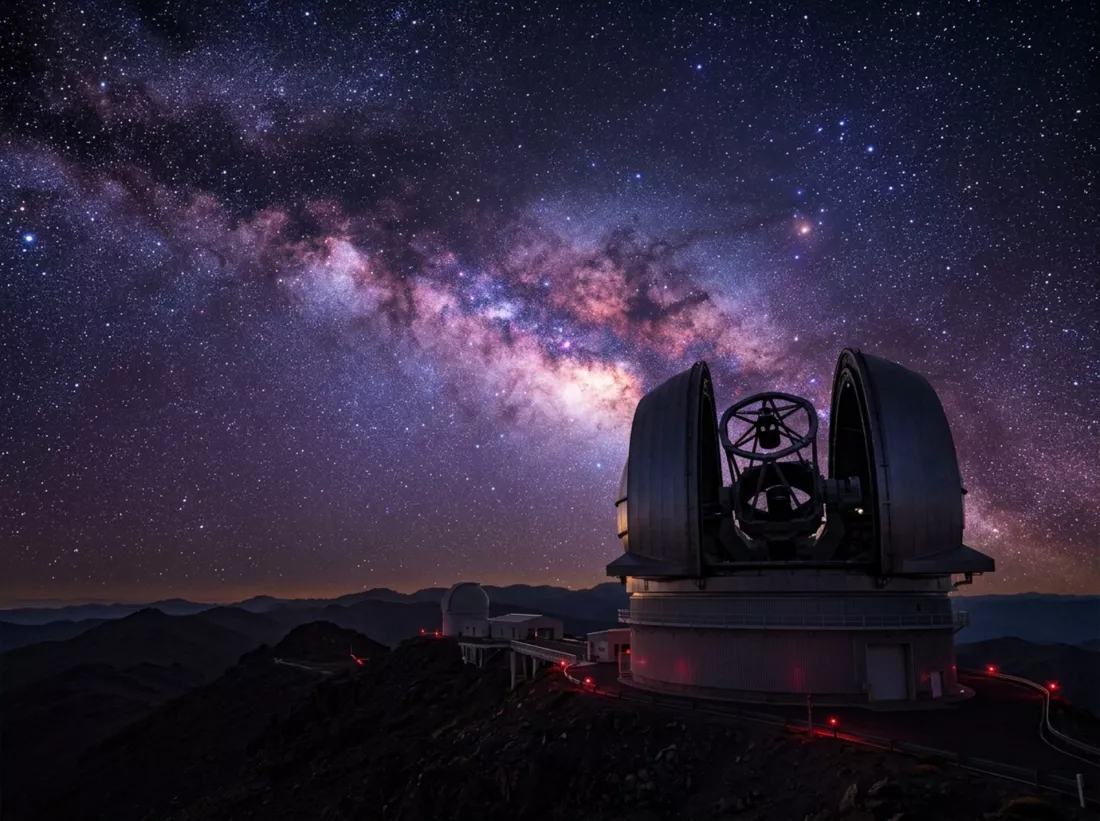
Teleskope, Sonden, jahrelange Suche – und trotzdem kein bestätigter Hinweis auf Leben jenseits der Erde. Ein internationales Forschungsteam fragt, ob das Problem vielleicht nicht im All liegt, sondern in unserer Art zu suchen: Wer vor allem ein falsches Ja vermeiden will, übersieht womöglich ein echtes. Falsch-positiv und falsch-negativ kennst du aus der Statistik – hier geht es um die größte Frage der Astrobiologie – und am Ende kannst du prüfen, wie viel Spürsinn eines Alien-Jägers in dir steckt.
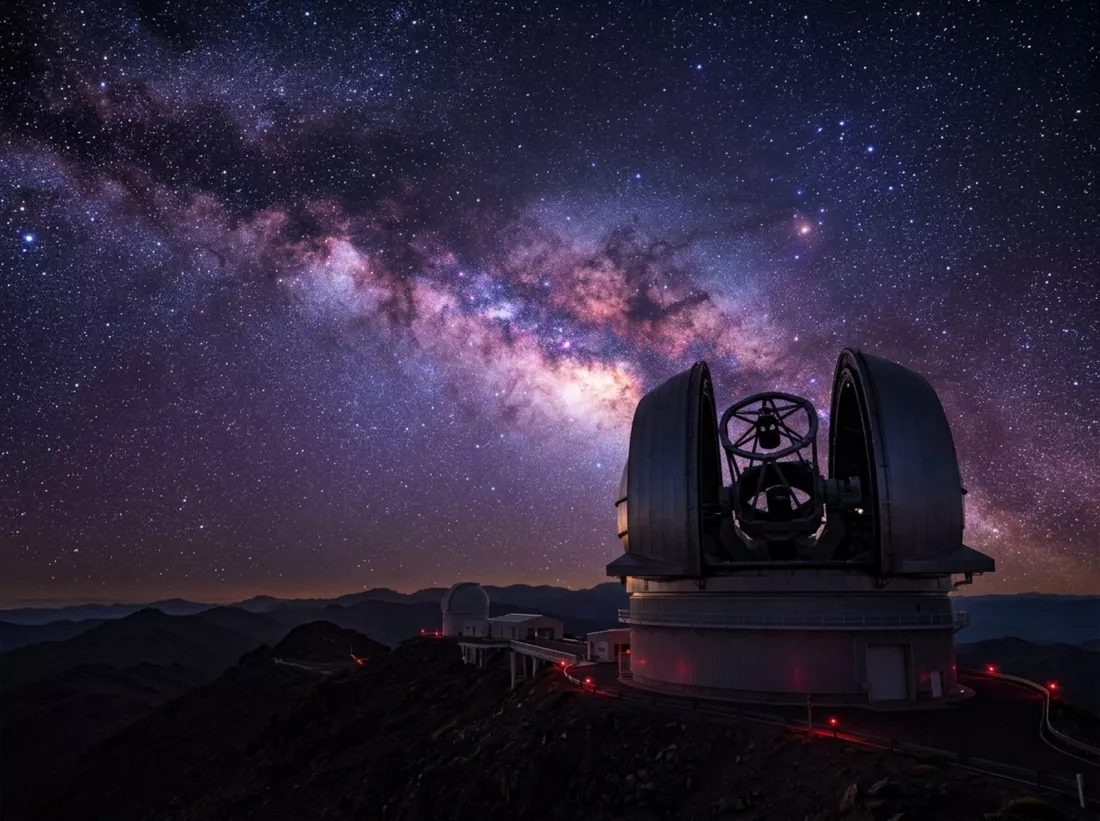
Telescopi sempre più potenti, sonde lanciate verso mondi lontani, eppure della vita extraterrestre non c'è ancora traccia. E se il problema fosse il modo in cui guardiamo? Un gruppo internazionale di ricercatori sostiene che l'astrobiologia teme tanto di annunciare per errore una scoperta da rischiare di non vedere segnali veri. È il dilemma dei falsi positivi e negativi, noto a chi studia statistica o medicina — e alla fine puoi scoprire se hai l'occhio del cacciatore di tracce aliene.
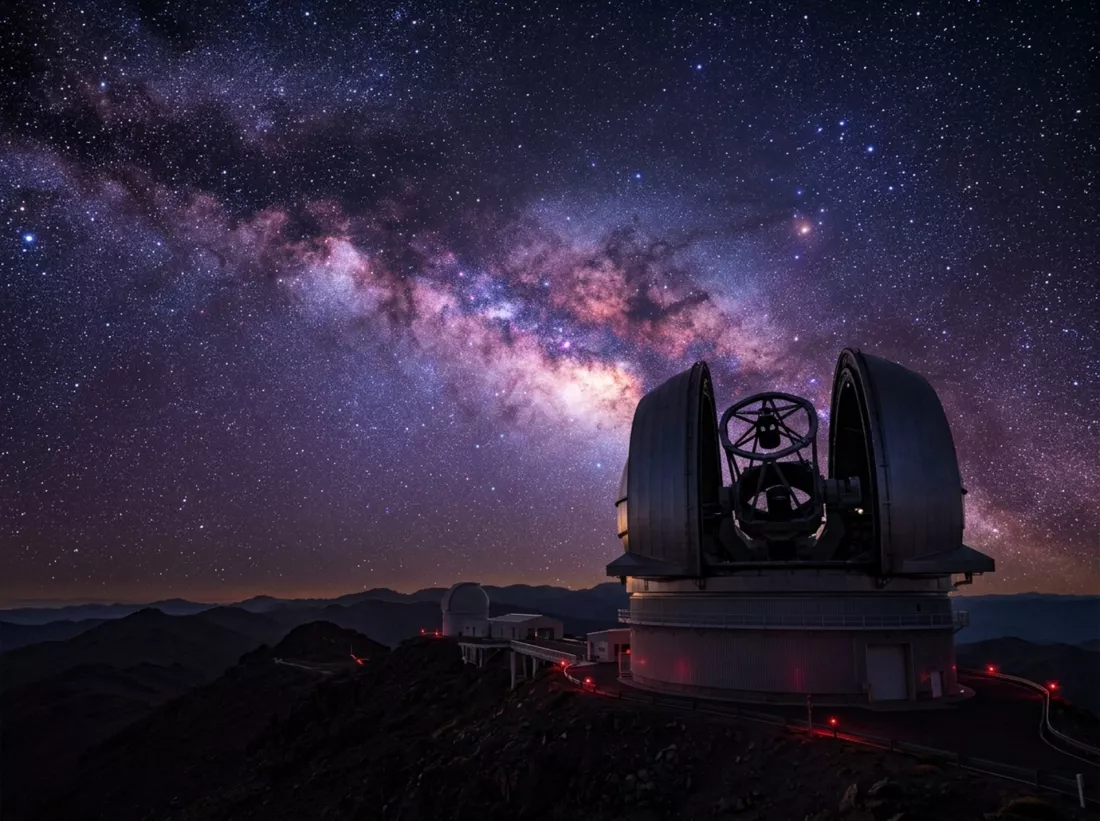
Télescopes, sondes spatiales : l'humanité scrute l'Univers en quête d'une autre forme de vie, sans preuve à ce jour. Et si le problème venait de notre façon de chercher ? Une équipe internationale d'astrobiologistes rappelle qu'on redoute surtout de crier victoire trop tôt, au risque d'ignorer un vrai signal. Faux positifs, faux négatifs : une notion bien connue en statistique appliquée au cosmos — et à la fin, un test pour savoir si tu as l'œil d'un chasseur de traces extraterrestres.
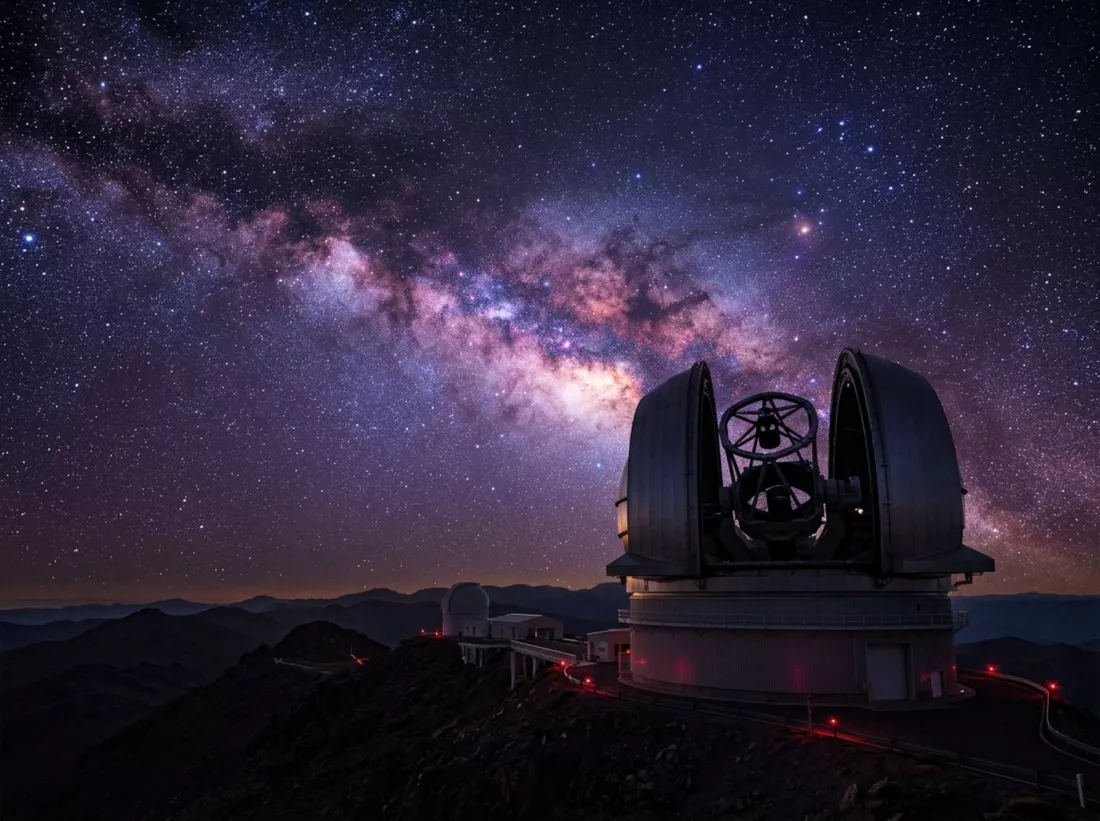
Telescopios cada vez más potentes, sondas que viajan a otros mundos y, aun así, ni una prueba de vida fuera de la Tierra. Un equipo internacional de astrobiólogos propone una explicación incómoda: quizá los científicos temen tanto equivocarse «a favor» que dejan escapar señales reales. Falsos positivos contra falsos negativos, un dilema que conoces de la estadística o la medicina, llevado al cosmos — y al final puedes comprobar si tienes ojo de cazador de rastros alienígenas.
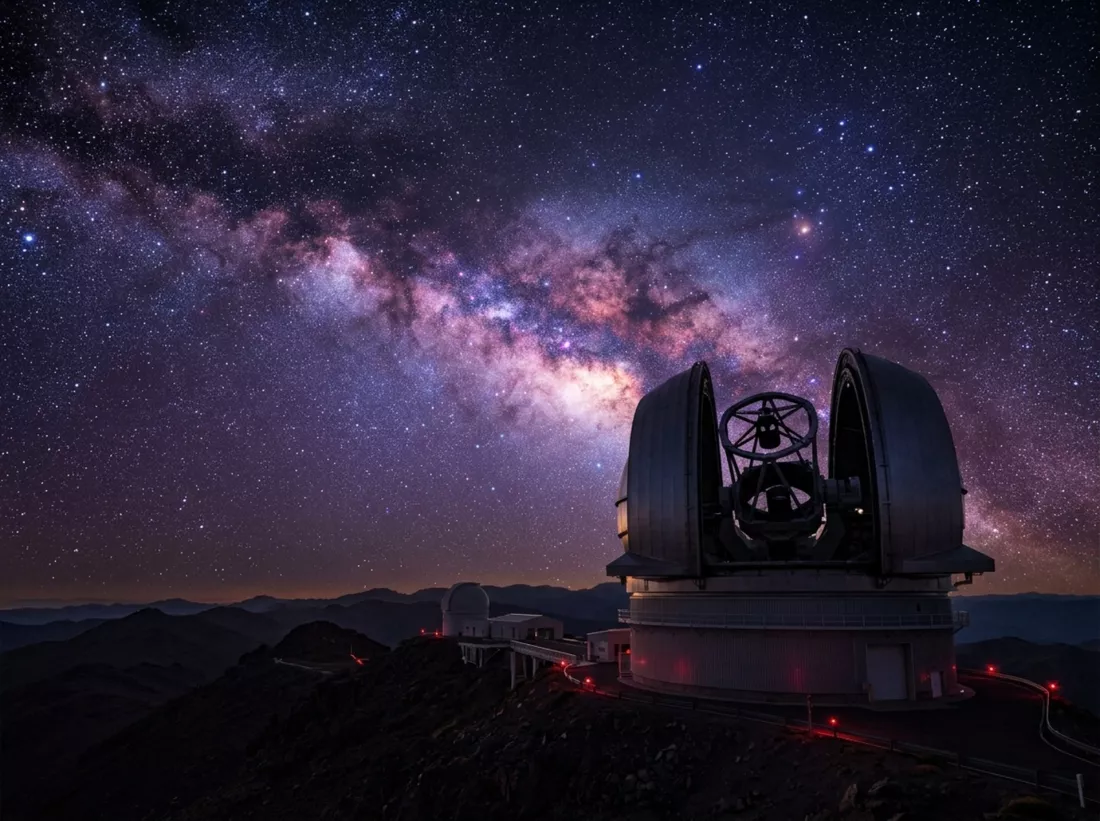
Teleskopy, sondy i pojazdy kosmiczne od lat wypatrują śladów życia poza Ziemią, a dowodów wciąż brak. Może szukamy niewłaściwych sygnałów? Międzynarodowy zespół astrobiologów pyta, czy przypadkiem nie przeoczamy sygnałów, które już mamy w danych. Winne mogą być wyniki fałszywie ujemne – pojęcie znane ze statystyki, medycyny i informatyki, które w poszukiwaniu obcego życia bywa lekceważone – a na końcu możesz sprawdzić, czy masz oko łowcy obcych śladów.
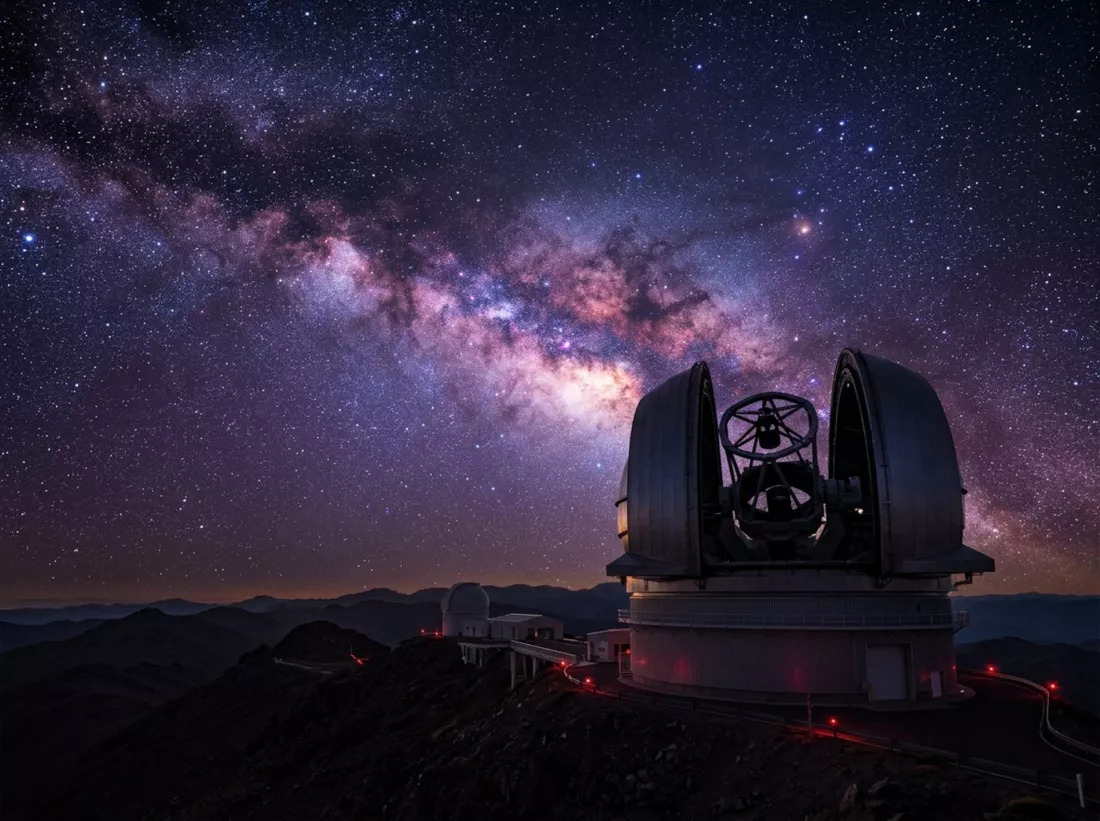
Telescopes keep getting sharper and space missions keep travelling further, yet nobody has found confirmed evidence of life beyond Earth. An international team of researchers suggests that part of the problem may lie in how we look: science worries a lot about claiming life where there is none, and far less about missing real traces. Statistics students call this a false negative – and at the end you can check whether you have the eye of an alien-trace hunter.
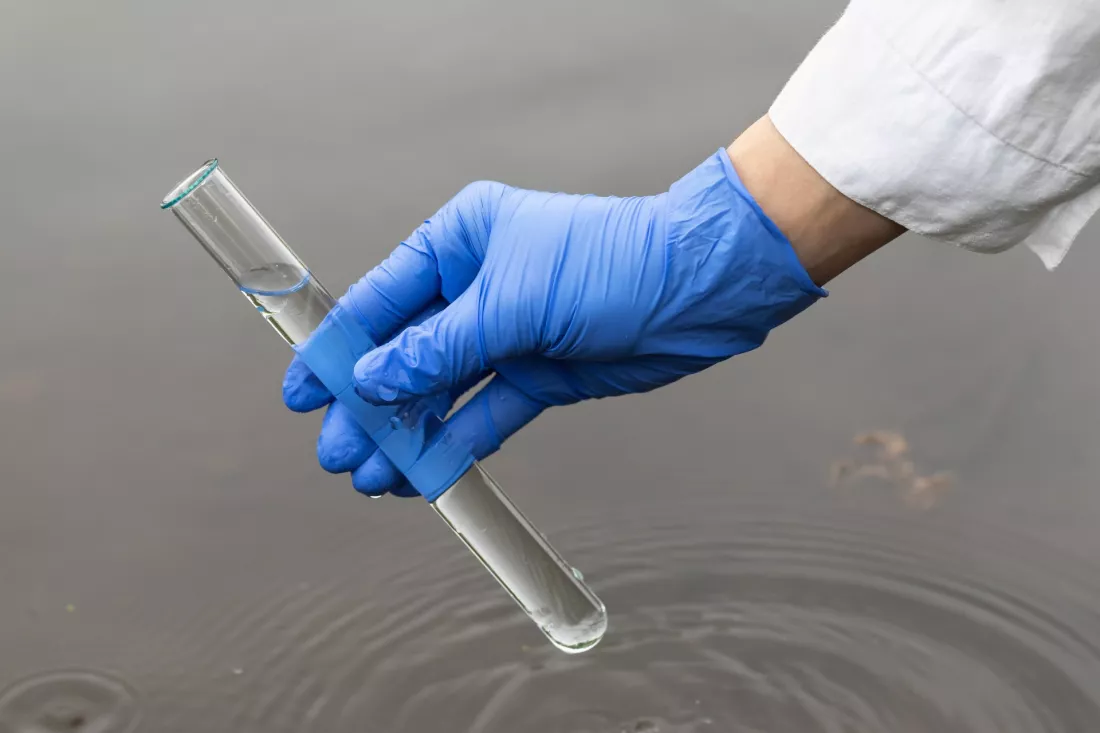
Fische brauchen gutes Wasser – doch in Europa erfüllen nur 37 Prozent der Oberflächengewässer die Umweltanforderungen. Das EU-Projekt SusWater hat deshalb nach Wegen gesucht, Schadstoffe günstig und nachhaltig aus dem Wasser zu holen: mit Materialien aus Reststoffen, mit Pilzen aus Abwasser, mit Licht und mit tragbaren Sensoren. Ein Thema für alle, die Chemie, Biologie und Umweltschutz verbinden wollen — und am Ende kannst du testen, ob in dir ein Detektiv für sauberes Wasser steckt.
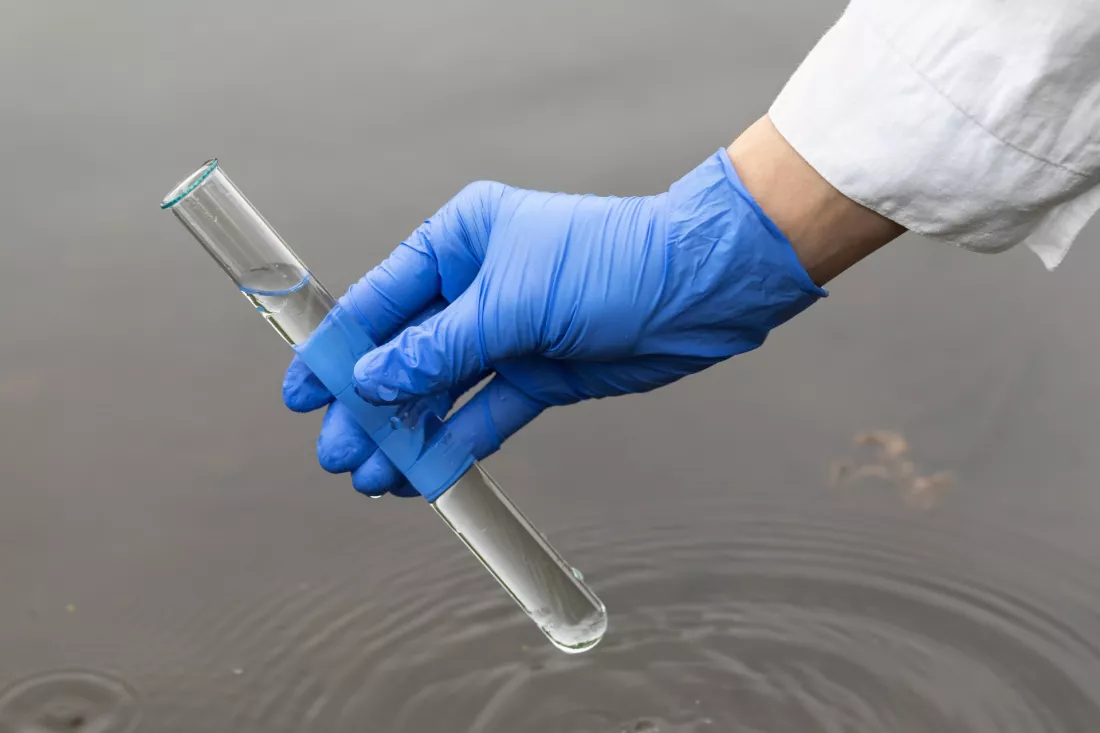
Solo il 37 % delle acque superficiali europee soddisfa i requisiti ambientali, eppure l'acquacoltura vive di acqua pulita. Il progetto SusWater ha cercato una soluzione con materiali ricavati da cellulosa, chitosano, amido e gelatina, con funghi isolati dalle acque reflue e con sensori portatili che scovano metalli e farmaci. Un lavoro per chimici, biologi e tossicologi insieme — e alla fine puoi scoprire se hai la stoffa del detective dell'acqua pulita.
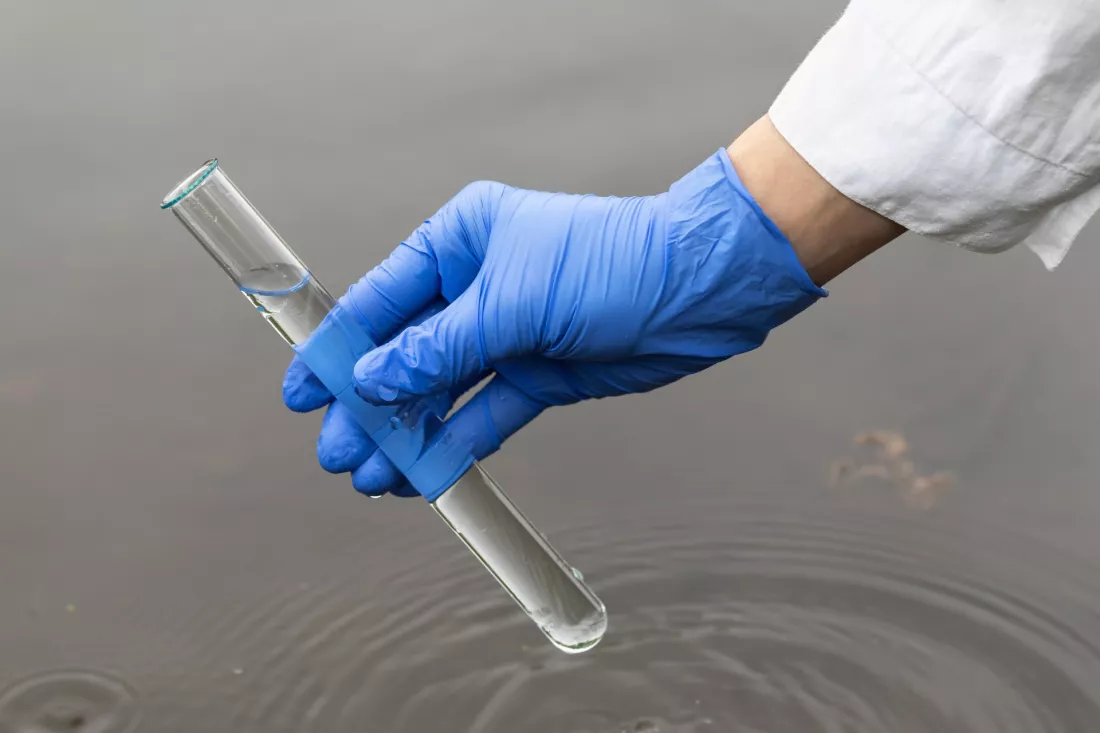
Les poissons d'élevage ont besoin d'une eau propre, or seules 37 % des eaux de surface européennes répondent aux exigences environnementales. Le projet SusWater a cherché à dépolluer l'eau avec ce que l'on jette d'habitude : cellulose, chitosane, amidon, gélatine et même des champignons isolés dans les eaux usées. Chimistes, biologistes, spécialistes des matériaux et toxicologues y ont travaillé main dans la main — et à la fin, tu peux vérifier si tu as l'étoffe d'un détective de l'eau propre.
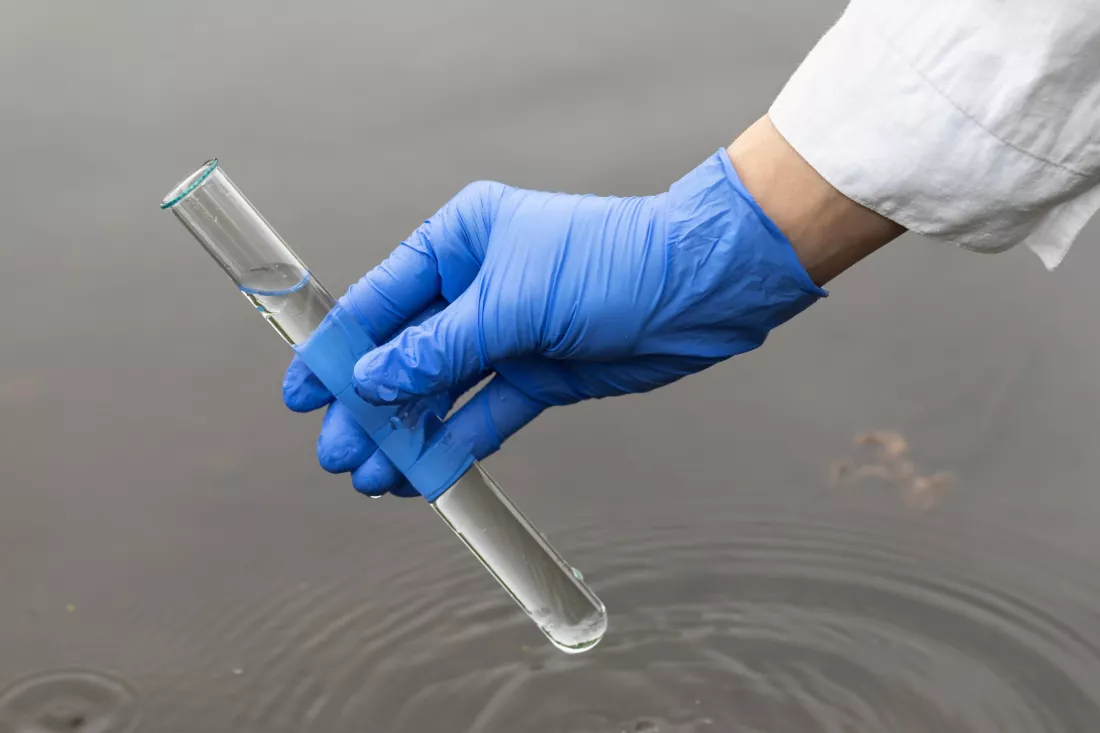
La acuicultura crece a toda velocidad, pero los peces necesitan agua limpia, y en Europa solo el 37 % de las aguas superficiales cumple los requisitos medioambientales. El proyecto europeo SusWater buscó la solución en materiales que normalmente acaban en la basura: celulosa, quitosano, almidón, gelatina e incluso hongos sacados de aguas residuales. Química, biología y ciencia de materiales trabajando juntas — y al final puedes comprobar si tienes madera de detective del agua limpia.
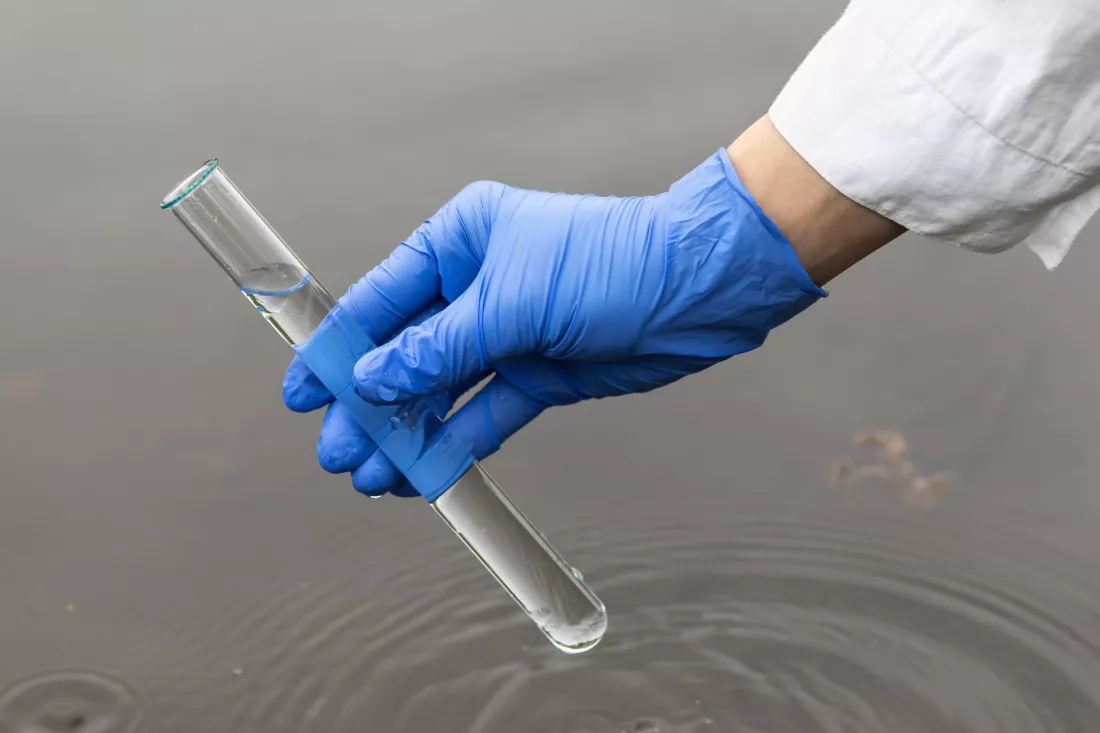
Hodowla ryb rośnie w Europie jak na drożdżach, ale bez czystej wody nie ma mowy o zdrowych rybach na talerzu. Kłopot w tym, że tylko 37% europejskich wód powierzchniowych spełnia wymogi środowiskowe. Międzynarodowy zespół unijnego projektu SusWater postanowił oczyszczać wodę tym, co zwykle ląduje w koszu: celulozą, chitozanem, skrobią, żelatyną, a nawet grzybami wyizolowanymi ze ścieków — a na końcu możesz sprawdzić, czy masz zadatki na detektywa czystej wody.
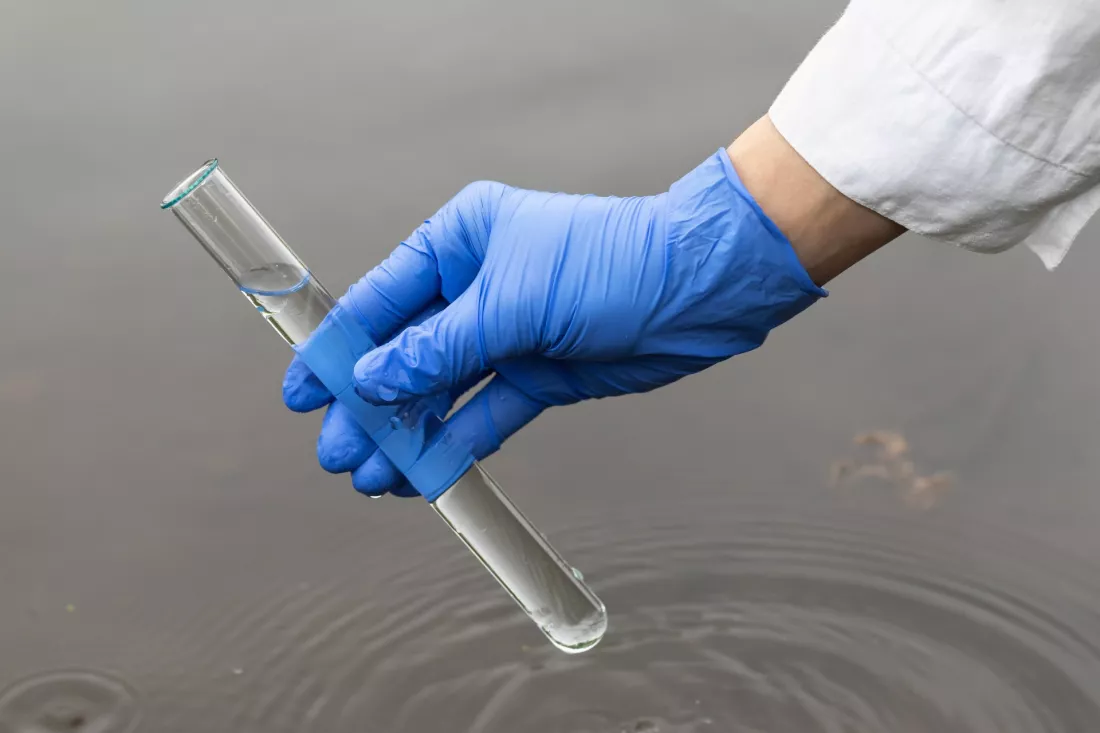
Fish farming is booming, yet only 37% of Europe’s surface waters meet environmental requirements. SusWater tackled this with an unusual toolkit: filters made from cellulose, chitosan, starch and gelatine, fungi taken from wastewater, light-driven catalysts and a pocket-sized sensor for trace pollutants. It is a field where chemists, biologists and materials scientists work side by side – and at the end you can check whether you have what it takes to be a clean-water detective.
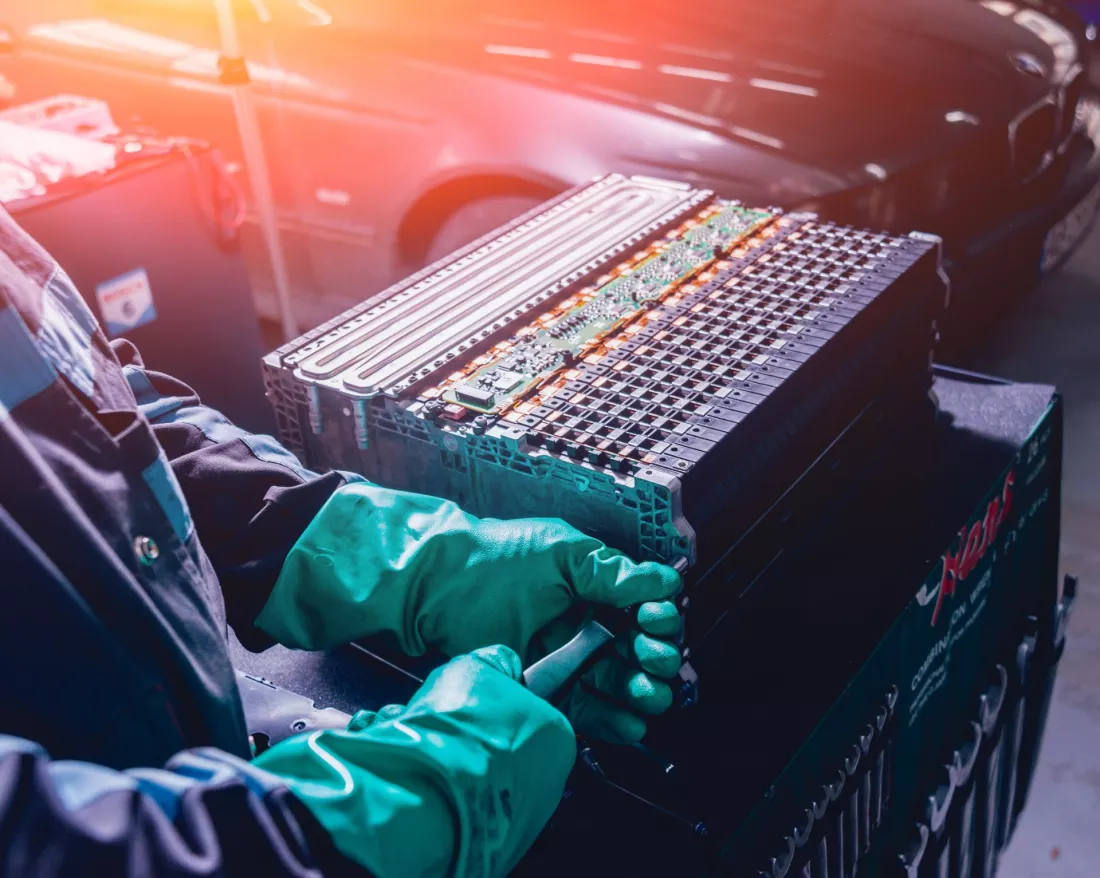
Che fine fa la batteria di un'auto elettrica quando non basta più per la strada? Il progetto europeo BATRAW, coordinato da Leitat, ha messo insieme robot, visione artificiale, chimica e blockchain per trasformare i pacchi a fine vita in una miniera di litio, cobalto, nichel e manganese. Un lavoro che unisce ingegneria, informatica ed economia circolare e che mostra quanti mestieri stanno dietro un singolo accumulatore — e alla fine puoi scoprire quanto ingegnere dell'economia circolare c'è in te.
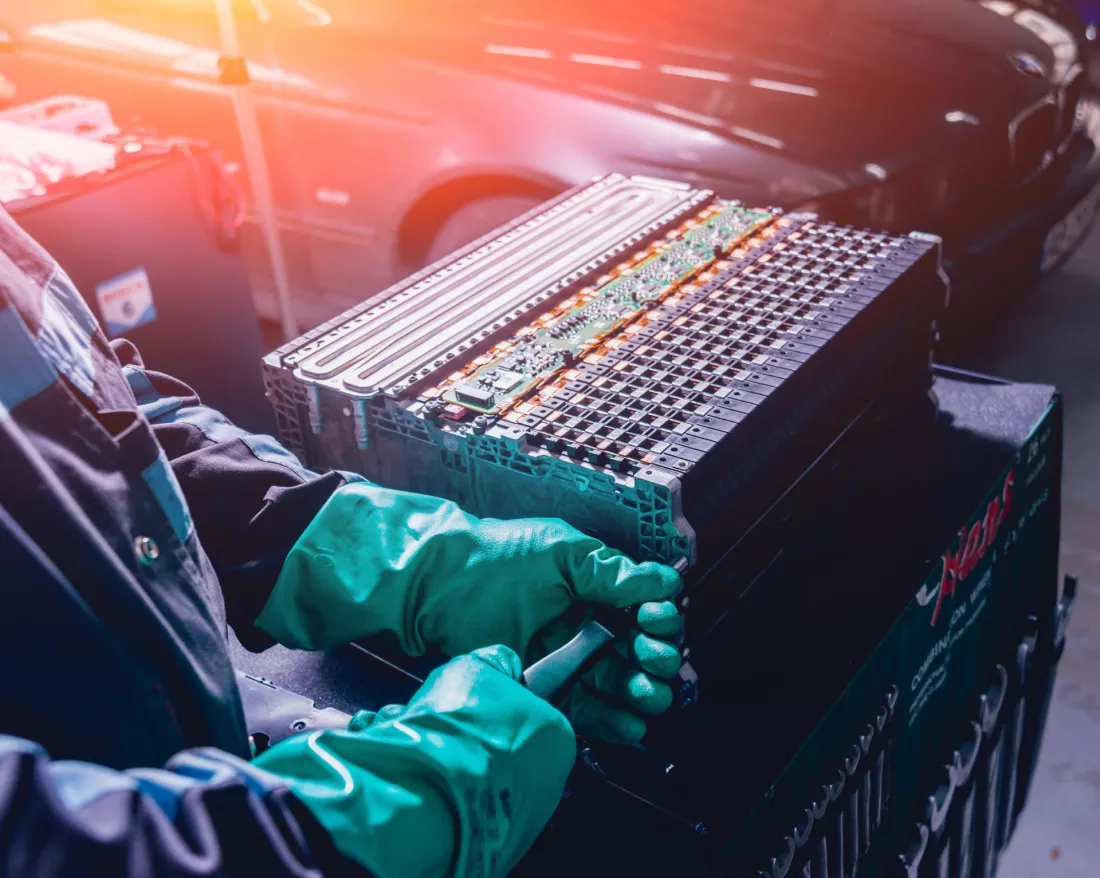
Que devient la batterie d'une voiture électrique quand elle ne tient plus la charge ? Loin d'être un simple déchet, elle renferme du lithium, du cobalt, du nickel et du manganèse. Le projet européen BATRAW a montré comment la démonter plus vite grâce aux robots, en récupérer l'essentiel des matériaux et suivre chaque batterie à la trace avec un passeport numérique. Robotique, IA, chimie et informatique s'y croisent — et à la fin, vérifie ce qu'il y a en toi d'ingénieur du recyclage.
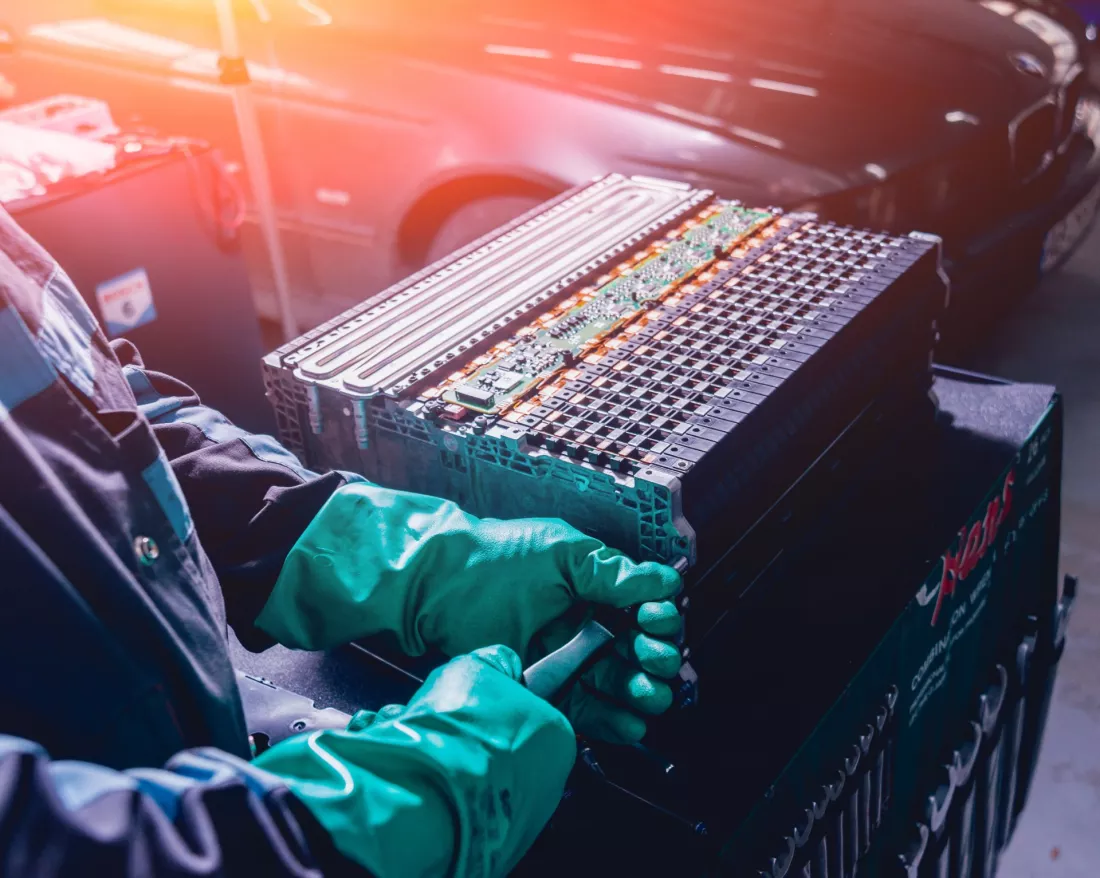
Wenn der Akku eines Elektroautos schwächelt, ist er noch lange kein Müll, sondern ein Lager für Lithium, Kobalt, Nickel und Mangan. Im EU-Projekt BATRAW zerlegen Roboter, KI-Kameras und Laser die Batteriepakete, eine chemische Anlage holt über 98 % der wertvollen Metalle zurück, und ein digitaler Pass verfolgt jede Batterie durch die Wertschöpfungskette. Robotik, Chemie und IT greifen hier ineinander – und am Ende kannst du prüfen, wie viel Kreislaufingenieur in dir steckt.
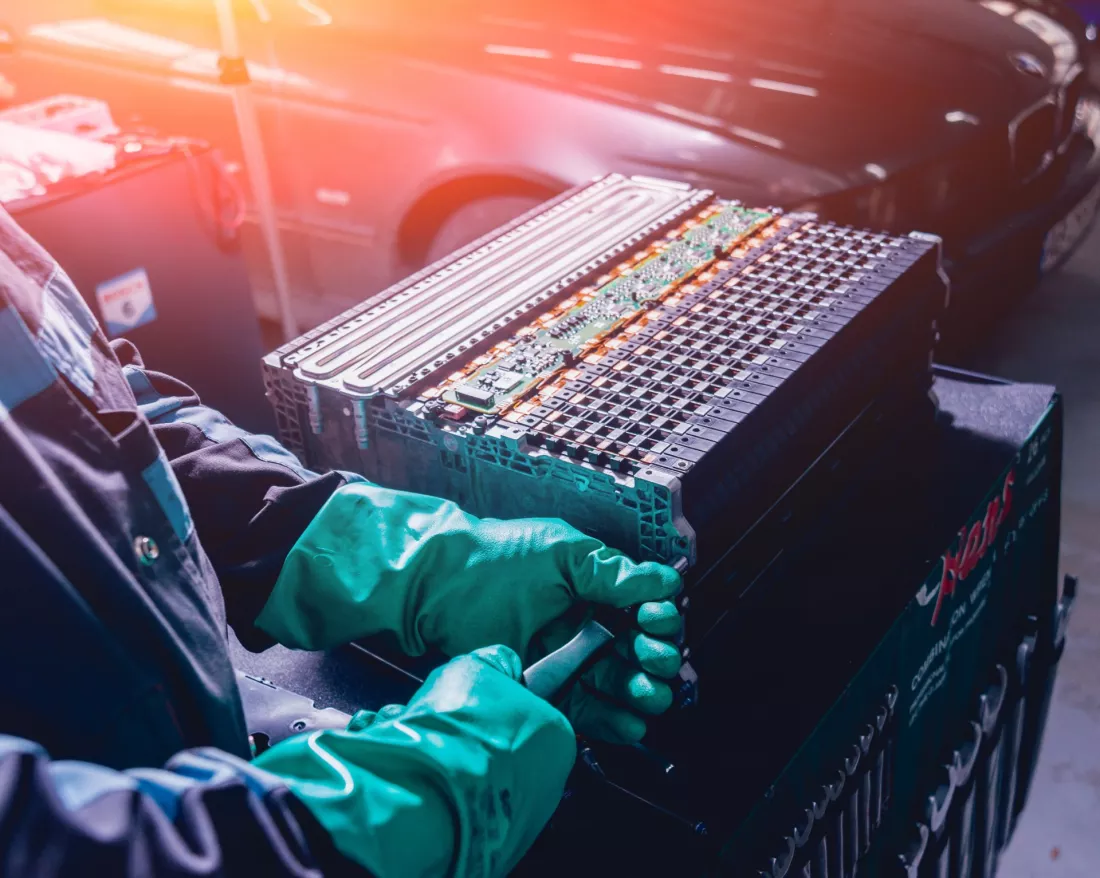
Una batería de coche eléctrico que ya no rinde como antes no tiene por qué acabar en un vertedero. Dentro guarda litio, cobalto, níquel y manganeso, materias primas que Europa necesita cada vez más. El proyecto europeo BATRAW ha combinado robots, visión artificial, química y blockchain para desmontar, reciclar y rastrear estas baterías, y ha logrado recuperar más del 98 % de los materiales — y al final puedes comprobar cuánto tienes de ingeniero de la economía circular.


 EN
EN CS
CS DE
DE ES
ES FR
FR HU
HU IT
IT PL
PL PT
PT РУ
РУ SK
SK TR
TR УК
УК AR
AR 中文
中文